 Tourism
Tanzania is home to the Serengeti, the Ngorongoro Crater, and the Great Migration — three of the most iconic wildlife experiences on Earth. For European travellers looking to book a Tanzania safari in 2026, the options can feel overwhelming. This guide breaks down the real costs, the best parks to visit, and how to book directly with a trusted local operator.
Whether you’re flying from London Heathrow, Amsterdam Schiphol, or Paris CDG, Tanzania is surprisingly accessible. Direct flights to Kilimanjaro International Airport take around 8–9 hours, and from there you’re just a short domestic flight or drive from the Serengeti’s endless plains.
Safari pricing depends on the season, accommodation style, and itinerary length. Here’s what European travellers can expect to pay per person in 2026:
Budget camping safaris start from $150–200 per person per day, covering transport in a 4×4 Land Cruiser, a professional guide, park fees, meals, and camping equipment. A 5-day Serengeti and Ngorongoro camping safari typically costs $1,200–1,500 per person.
Mid-range lodge safaris run $250–400 per person per day, with comfortable lodges inside or just outside the parks. A 7-day circuit covering the Serengeti, Ngorongoro, Tarangire, and Lake Manyara costs around $2,500–3,500 per person.
Luxury tented camp safaris range from $500–1,000+ per person per day, featuring exclusive camps with gourmet dining, private game drives, and bush sundowners. A 7-day luxury Serengeti experience starts at $5,000 per person.
For British travellers, that’s roughly £1,000–£4,000 per person for a week, excluding international flights. Return flights from London to Kilimanjaro typically cost £450–700 depending on the season.
The Serengeti is Tanzania’s crown jewel and arguably the world’s greatest wildlife destination. Covering 14,750 square kilometres of savanna, woodland, and riverine forest, it hosts the largest concentration of large mammals on the planet. The Great Migration — two million wildebeest, zebras, and gazelles following the rains — passes through the Serengeti year-round, with the dramatic Mara River crossings happening between July and October.
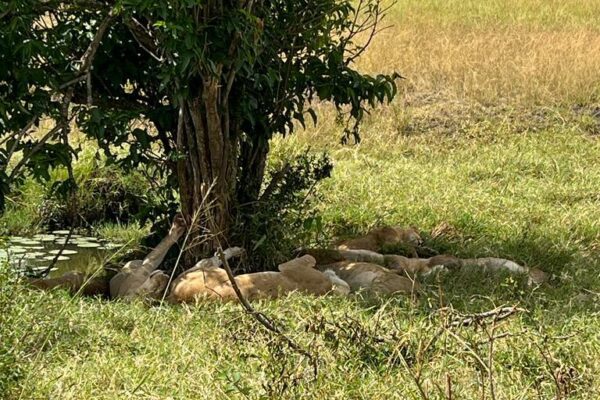
Lions are remarkably easy to spot here. On a recent game drive with Nature Nest Safaris, our guests watched a pride of lionesses lounging in the golden grass — completely at ease just metres from the vehicle. These are the moments that make a Serengeti safari unforgettable.
The Ngorongoro Crater is a collapsed volcanic caldera spanning 260 square kilometres, often called “Africa’s Garden of Eden.” The crater floor supports around 25,000 large animals including the endangered black rhino, making it one of the few places where you can realistically see all of the Big Five in a single day. The crater rim sits at 2,200 metres, offering cool temperatures and dramatic views.
Tarangire is famous for its enormous elephant herds — sometimes numbering 300 or more — and its striking landscape of ancient baobab trees. During the dry season (June to October), wildlife concentrates around the Tarangire River, creating some of the densest game viewing in Tanzania outside the Serengeti. It’s also less crowded and more affordable.
This compact park is known for its tree-climbing lions, massive flocks of flamingos, and lush groundwater forest. It’s an excellent half-day stop between the Serengeti and Arusha, and the variety of habitats means you can see everything from baboons to hippos within a few hours.
Tanzania offers year-round safari opportunities, but the best months depend on what you want to see:
June to October (dry season) is peak safari season. Animals gather around water sources, vegetation thins out, and game viewing is at its best. This coincides with European summer, making it convenient for family holidays. The Mara River crossings happen during this period.
January to March is calving season in the southern Serengeti, where 8,000 wildebeest calves are born daily. Predator action is intense, and the short rains have usually passed. This is also when European visitors can escape the winter cold.
November and April–May are the “green season” with lower prices and fewer tourists. The landscape is lush, baby animals are everywhere, and birding is superb. Lodges offer discounts of 30–40%.
Booking directly with a local Tanzanian operator rather than through a European travel agent can save you 20–40% on the same itinerary. You’ll also get a more authentic, personalised experience with guides who know the terrain intimately.
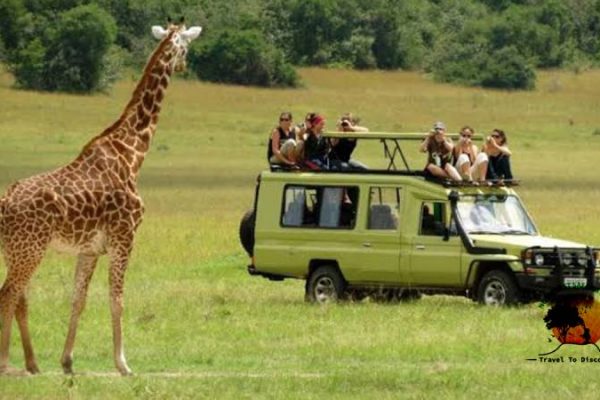
Nature Nest Safaris specialises in tailor-made Tanzania safaris for European and international travellers. Every itinerary is customised to your interests, budget, and travel dates. Our fleet of 4×4 Land Cruisers with pop-up roofs ensures comfortable, unobstructed game viewing, and our experienced guides have decades of combined experience in Tanzania’s national parks.
We handle everything — airport transfers, domestic flights, park permits, accommodation bookings, and 24/7 support throughout your trip. All you need to do is book your international flight and pack your bags.
Day 1: Arrive Kilimanjaro Airport, transfer to Arusha lodge
Day 2: Drive to Tarangire National Park, afternoon game drive among the baobabs and elephants
Day 3: Full day in Tarangire, evening transfer to Karatu
Day 4: Morning descent into the Ngorongoro Crater for a full-day game drive — Big Five territory
Day 5: Drive to the Serengeti via the Ngorongoro highlands, afternoon game drive
Day 6: Full day in the Serengeti — lions, cheetahs, elephants, and the Great Migration herds
Day 7: Morning game drive, fly back to Arusha, transfer to Kilimanjaro Airport
This itinerary starts from $2,800 per person (mid-range) or $5,500 per person (luxury).
Whether you’re a first-time safari-goer from London or a seasoned traveller looking for something extraordinary, Tanzania delivers. The Serengeti’s endless plains, the Ngorongoro Crater’s wildlife density, and the warmth of Tanzanian hospitality make it an experience you’ll carry with you forever.
Contact Nature Nest Safaris today to start planning your 2026 Tanzania safari. Email us at book@naturenestsafaris.com or call +256 777 131 912. Visit www.naturenestsafaris.com to browse our Tanzania safari packages.
Read more: Serengeti Balloon Safari Prices 2026 | Great Migration River Crossings Guide | Planning Your First Safari from the UK
Ready to plan your East African adventure? Browse our curated safari experiences:
Trips that match this guide. Every itinerary can be tailored to your dates and budget, and quotes are free.
 Safari PlanningBest Time to Visit East Africa for a Safari: A Month-by-Month Guide for UK & European TravellersRead article →
 TourismKenya Coastal Safari: Malindi, Watamu & Lamu Island Guide for European TravellersRead article →
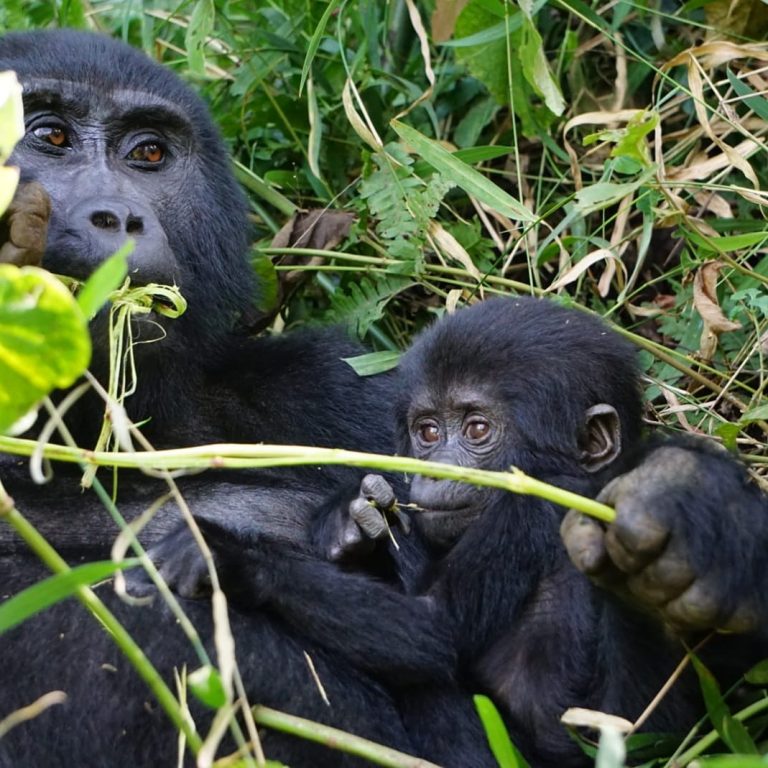 TourismBest Time to Visit Bwindi Impenetrable Forest for Gorilla Trekking (2026 Guide)Read article →
Tell us when and how many of you are travelling. A real person replies by email or WhatsApp within 24 hours with a line-by-line quote. No deposit until you are happy with the plan.
Let our expert team craft your perfect safari adventure. Custom itineraries, competitive prices, and unforgettable experiences.
Start Planning Your Safari