 Tourism
The Great Wildebeest Migration doesn’t respect borders — and neither should your safari. Every year, over 1.5 million wildebeest and 400,000 zebra travel a continuous loop between Tanzania’s Serengeti and Kenya’s Masai Mara. Combining both parks into a single safari lets you follow the herds across the border and experience the best wildlife viewing in Africa.
For American travelers dreaming of the ultimate African safari, a combined Masai Mara and Serengeti trip delivers more wildlife, more landscapes, and more unforgettable moments than visiting either park alone.
The Serengeti is massive — 14,763 square kilometers of open plains, kopjes (rocky outcrops), and acacia woodland. It’s where the migration begins and ends, with the calving season in the south (January–March) and the dramatic river crossings in the north (July–October). The Serengeti offers vast, uncrowded landscapes and the feeling of having the wilderness to yourself.
The Masai Mara is more compact at 1,510 square kilometers, but its wildlife density is extraordinary. The Mara River crossings (July–October) are among the most dramatic wildlife events on Earth — thousands of wildebeest plunging into crocodile-infested waters while predators wait on the banks. The Mara also has the highest concentration of big cats in Africa.
Together, they give you the full picture: the Serengeti’s scale and solitude, plus the Mara’s intensity and drama.
Days 1–2: Arrive Kilimanjaro, transfer to Arusha. Overnight in Arusha to acclimatize. Visit a local coffee plantation or the Arusha National Park for a warm-up game drive.
Days 3–5: Southern & Central Serengeti. Three full days of game drives across the Serengeti plains. Spot lion prides, cheetah hunts, elephant herds, and vast zebra populations. Optional hot air balloon safari at sunrise ($599 pp). Stay in a luxury tented camp or safari lodge.
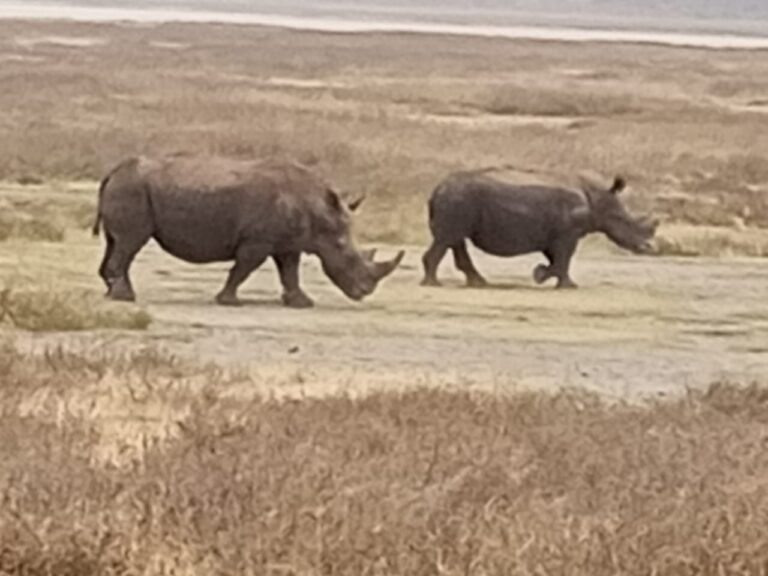
Day 6: Ngorongoro Crater. Descend into the world’s largest unflooded volcanic caldera. The crater floor is home to around 25,000 animals in just 260 square kilometers — including the endangered black rhino. This is the best single-day game drive in East Africa.
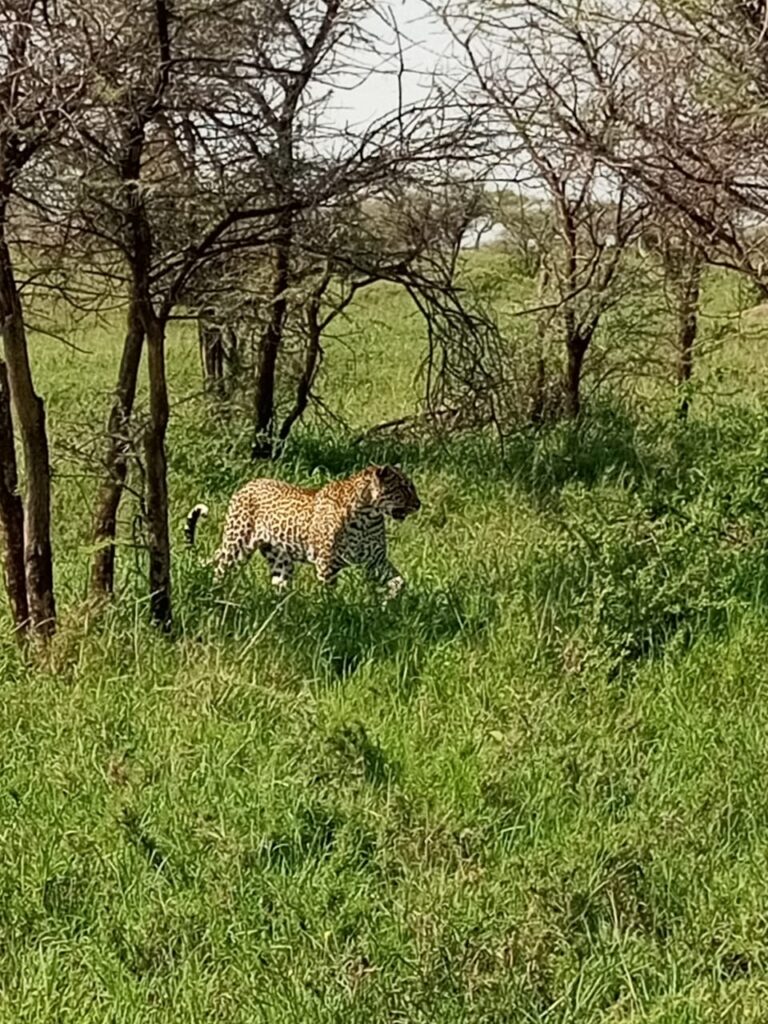
Day 7: Northern Serengeti & border crossing. Drive through the northern Serengeti toward the Kenyan border. This area is less visited and often has excellent lion and leopard sightings. Cross into Kenya via the Isebania or Sand River border post.
Days 8–10: Masai Mara. Three days in the Mara, timed for the river crossings if traveling July–October. Morning and afternoon game drives, a Maasai village visit, and a sunset bush dinner. The Mara’s big cat density means you’re almost guaranteed to see lions, leopards, and cheetahs daily.
Day 11: Masai Mara to Nairobi. Morning game drive, then fly or drive to Nairobi. Afternoon at leisure — visit the Giraffe Centre or Karen Blixen Museum.
Day 12: Depart Nairobi (NBO). Transfer to Jomo Kenyatta International Airport for your flight home to the USA.
A 10 to 14-day Masai Mara and Serengeti combined safari costs between $4,800 and $9,500 per person depending on accommodation level and group size.
Mid-range (tented camps): $4,800–$6,000 pp for 10–12 days. Comfortable safari tents with en-suite bathrooms, full-board meals, and shared game drives.
Luxury (lodges & premium camps): $7,000–$9,500 pp for 12–14 days. Private vehicles, exclusive camps with plunge pools, gourmet dining, and a hot air balloon ride included.
These prices include all park fees (which are substantial — Serengeti alone is $70/day for non-residents), accommodation, meals, game drives, and a professional guide. International flights from the USA are separate, typically $900–$1,400 round-trip.
Booking through a local East African operator like Nature Nest Safaris saves you 30–40% compared to US-based travel agencies that use the same lodges and guides but add significant markup.
The migration river crossings happen July–October, making this the peak season. American school summer holidays (June–August) align perfectly with the early crossings. If you’re flexible, September and October offer fewer crowds and slightly lower prices while the crossings continue.
The calving season (January–March) in the southern Serengeti is ideal for American travelers looking to avoid summer crowds. Baby wildebeest, dramatic predator hunts, and green landscapes make this a photographer’s paradise.
Shoulder season (November and April–May) offers the lowest prices and smallest crowds. The landscapes are lush, and while the massive herds may not be present, resident wildlife is abundant in both parks.
For a combined safari, you’ll fly into one country and out of the other — known as an “open-jaw” itinerary. The most practical route is to fly into Kilimanjaro (JRO) in Tanzania and fly home from Nairobi (NBO) in Kenya, or vice versa.
Major US departure cities and sample fares: New York to Kilimanjaro from $850 (KLM via Amsterdam), Los Angeles to Nairobi from $950 (Qatar via Doha), Chicago to Kilimanjaro from $900 (Turkish via Istanbul). Open-jaw tickets are often the same price as round-trips if you book early.
Crossing between Kenya and Tanzania is straightforward but requires some paperwork. American citizens need a visa for both countries — Kenya’s eTA costs $30 (apply online before travel), and Tanzania’s visa costs $50 (available on arrival or online). Your safari operator handles all the logistics at the border post.
The East Africa Tourist Visa ($100) covers Kenya, Uganda, and Rwanda in a single visa but does not include Tanzania. For a Kenya-Tanzania trip, you’ll need separate visas for each country.
A cross-border safari requires coordination between lodges, parks, drivers, and border officials in two countries. A local operator with presence in both Kenya and Tanzania handles all of this seamlessly. Nature Nest Safaris operates across East Africa — Uganda, Kenya, Tanzania, and Rwanda — so your entire cross-border itinerary is managed by one team.
No juggling multiple booking confirmations. No surprises at the border. Just a seamless safari experience from start to finish.
A combined Masai Mara and Serengeti safari is the definitive East African wildlife experience. Follow the migration across two countries, see the Big Five in both parks, and create memories that last a lifetime.
Email Nature Nest Safaris at book@naturenestsafaris.com or call/WhatsApp +256 777 131 912 to start planning your cross-border safari. We’ll customize the itinerary to your dates, budget, and interests — with local pricing, no agent markup.
Ready to plan your East African adventure? Browse our curated safari experiences:
Trips that match this guide. Every itinerary can be tailored to your dates and budget, and quotes are free.
 Safari PlanningBest Time to Visit East Africa for a Safari: A Month-by-Month Guide for UK & European TravellersRead article →
 TourismKenya Coastal Safari: Malindi, Watamu & Lamu Island Guide for European TravellersRead article →
 TourismBest Time to Visit Bwindi Impenetrable Forest for Gorilla Trekking (2026 Guide)Read article →
Let our expert team craft your perfect safari adventure. Custom itineraries, competitive prices, and unforgettable experiences.
Start Planning Your Safari