 Safari Planning
Choosing between Kenya and Tanzania for your first (or next) African safari is one of the biggest decisions you’ll make when planning your trip. Both countries share the iconic Serengeti-Mara ecosystem, both have incredible wildlife, and both offer once-in-a-lifetime experiences. But they’re surprisingly different in cost, crowds, landscapes, and logistics.
Here’s an honest, side-by-side comparison to help you decide — or convince you to do both.
For a comparable 6–7 day mid-range safari in 2026, Kenya typically costs $2,500–$3,500 per person, while Tanzania runs $3,500–$5,000 per person. The price gap comes mainly from Tanzania’s higher park fees (up to $70–$80/day per person in the Serengeti vs $80 for a full 24-hour stay in the Mara) and the fact that many Tanzanian parks require more driving between them.
If budget is your primary concern, Kenya gives you exceptional value without sacrificing wildlife quality. The Maasai Mara alone delivers some of the densest predator sightings on the planet.
Tanzania’s Serengeti covers nearly 15,000 km² — larger than all of Kenya’s major reserves combined. That means more space, more habitat variety, and fewer vehicles at each sighting. Add the Ngorongoro Crater (a self-contained ecosystem with the Big Five in a single volcanic caldera) and you have unmatched diversity.
Kenya counters with predator density. The Maasai Mara has one of the highest concentrations of lions, leopards, and cheetahs anywhere in Africa. If seeing big cats up close is your priority, Kenya delivers consistently. Amboseli also offers the most iconic elephant-with-Kilimanjaro backdrop shots.
This is the single biggest differentiator. The wildebeest migration spends 9–10 months in Tanzania (circling the Serengeti from December through September) and only 2–3 months in Kenya (the famous Mara River crossings from July to October).
If your dates are flexible, Tanzania gives you a much wider window. But if you can travel between August and October, the Mara crossings are arguably the most dramatic wildlife spectacle on Earth.
Kenya’s Maasai Mara can get busy during peak migration season — you might share a river crossing sighting with 20–30 other vehicles. Tanzania’s larger parks spread visitors out more, and places like the southern Serengeti or Ruaha see very few tourists.
For a wilderness-first, low-crowd experience, Tanzania wins. For easier access and a livelier safari culture (with Nairobi’s dining and nightlife as a bonus), Kenya has the edge.
Kenya is generally easier to navigate. The Maasai Mara is a 45-minute flight or 5-hour drive from Nairobi. You can do a meaningful 3–4 day Mara safari without internal flights.
Tanzania usually requires more planning. The northern circuit (Tarangire → Ngorongoro → Serengeti) involves long driving days or internal flights. But this also means each park feels distinct — you’re not just visiting one reserve, you’re crossing dramatically different landscapes.
Choose Kenya if you: are on a tighter budget, have fewer than 7 days, want the best predator sightings, or are visiting during August–October for the river crossings.
Choose Tanzania if you: have 7+ days, want the Ngorongoro Crater experience, prefer fewer crowds and more wilderness, or want to add a Zanzibar beach extension.
Choose both if you: have 10–14 days. A combined Kenya-Tanzania itinerary — Serengeti plains, Ngorongoro Crater, and Maasai Mara predator action — is the most complete East African safari experience you can have.
We run safaris in both Kenya and Tanzania, so we don’t have a horse in this race — we just want you on the right trip. Browse our Kenya safari packages and Tanzania safari itineraries, or get in touch and we’ll help you decide based on your dates, budget, and must-see list.
Ready to plan your East African adventure? Browse our curated safari experiences:
Trips that match this guide. Every itinerary can be tailored to your dates and budget, and quotes are free.
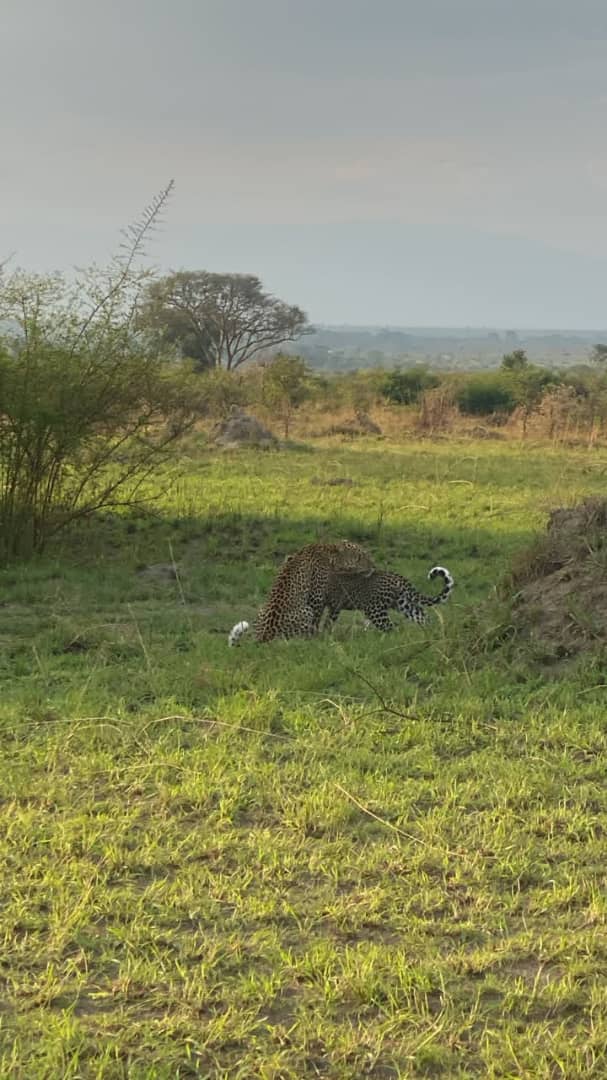
 Safari PlanningSpotting Leopards in Uganda: A Big Cat Safari Guide for UK & European TravellersRead article →
 Cultural ExperiencesMeeting the Maasai: Authentic Cultural Safari Experiences for European TravellersRead article →
 Safari PlanningBest Time to Visit East Africa for a Safari: A Month-by-Month Guide for UK & European TravellersRead article →
Let our expert team craft your perfect safari adventure. Custom itineraries, competitive prices, and unforgettable experiences.
Start Planning Your Safari