 Tourism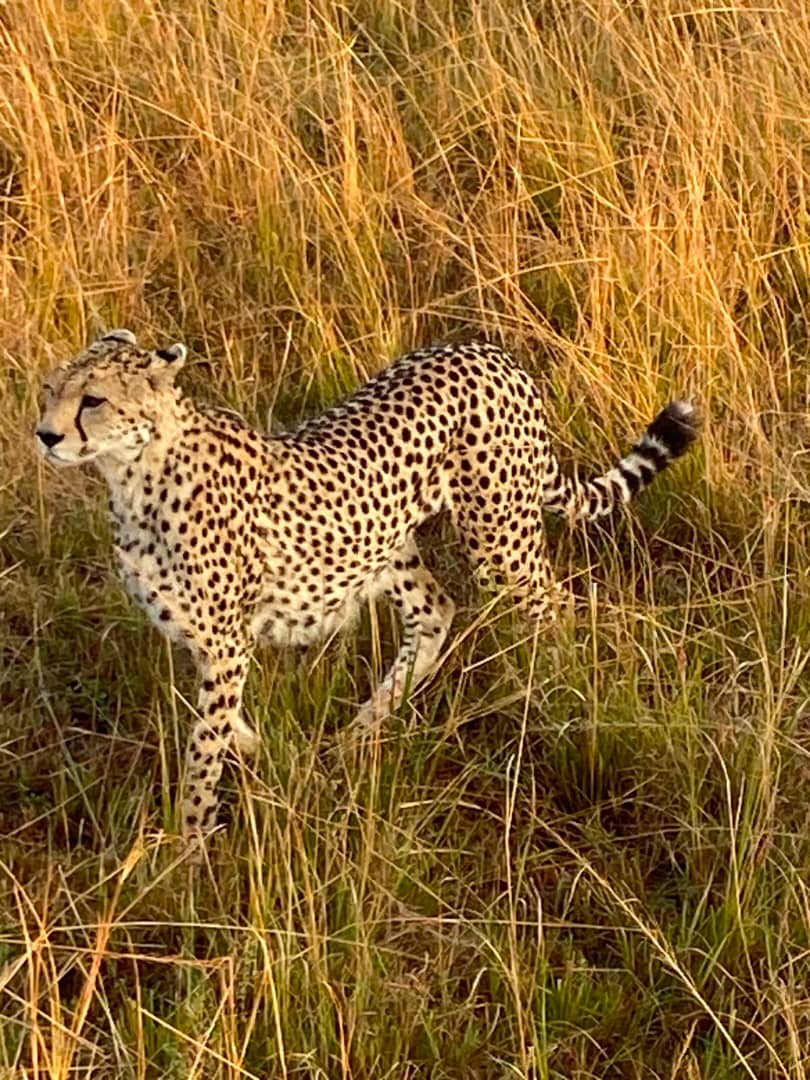
There are very few places left on earth where you can watch a cheetah move through open grassland, completely wild and unhurried, close enough to see the black tear marks running down its face. The Masai Mara in Kenya is one of them — and arguably the best.
The Mara’s vast open plains give cheetahs exactly what they need: flat terrain with short grass and excellent visibility for hunting. Unlike leopards, which rely on stealth and ambush, cheetahs are built for speed. They need space to accelerate, and the Mara delivers that in abundance. This is why the Mara consistently produces some of the most extraordinary cheetah sightings anywhere in Africa.
Cheetahs are the fastest land animals on the planet, capable of reaching speeds of up to 120 km/h (75 mph) in short bursts covering distances up to 500 metres. But speed alone doesn’t tell the whole story. What makes cheetahs truly remarkable is their acceleration — they can go from 0 to 100 km/h in just three seconds, faster than most sports cars.
Their lightweight frame, long legs, flexible spine, and semi-retractable claws (unique among cats) all contribute to this incredible athletic ability. Watching a cheetah hunt on the Mara plains is one of the most thrilling wildlife experiences you can have on safari.
Cheetahs are active during the day, which makes them one of the easier big cats to spot on a game drive. Early morning and late afternoon are the best times, when the light is soft and the cats are most active. During the Great Migration season (July to October), cheetah sightings increase as the cats take advantage of the massive herds of wildebeest and zebra crossing the plains.
Unlike lions, which often rest in large prides, cheetahs are typically solitary or found in small coalitions of brothers. This makes every sighting feel intimate and personal — it’s just you and the cheetah, separated by a few metres of golden grass.
Despite their iconic status, cheetahs are classified as vulnerable by the IUCN, with fewer than 7,000 remaining in the wild. Habitat loss, human-wildlife conflict, and competition with larger predators like lions and hyenas all threaten their survival. By choosing responsible safari operators like Nature Nest Safaris, you directly support the conservation of these magnificent animals and the ecosystems they depend on.
Our Masai Mara safari packages are designed to maximise your chances of incredible wildlife encounters. Whether you choose a budget camping safari or a mid-range lodge experience, our expert guides know exactly where to find cheetahs and how to position the vehicle for the best viewing and photography.
Ready to see a cheetah in the wild?
Contact us today:
Ready to plan your East African adventure? Browse our curated safari experiences:
Trips that match this guide. Every itinerary can be tailored to your dates and budget, and quotes are free.
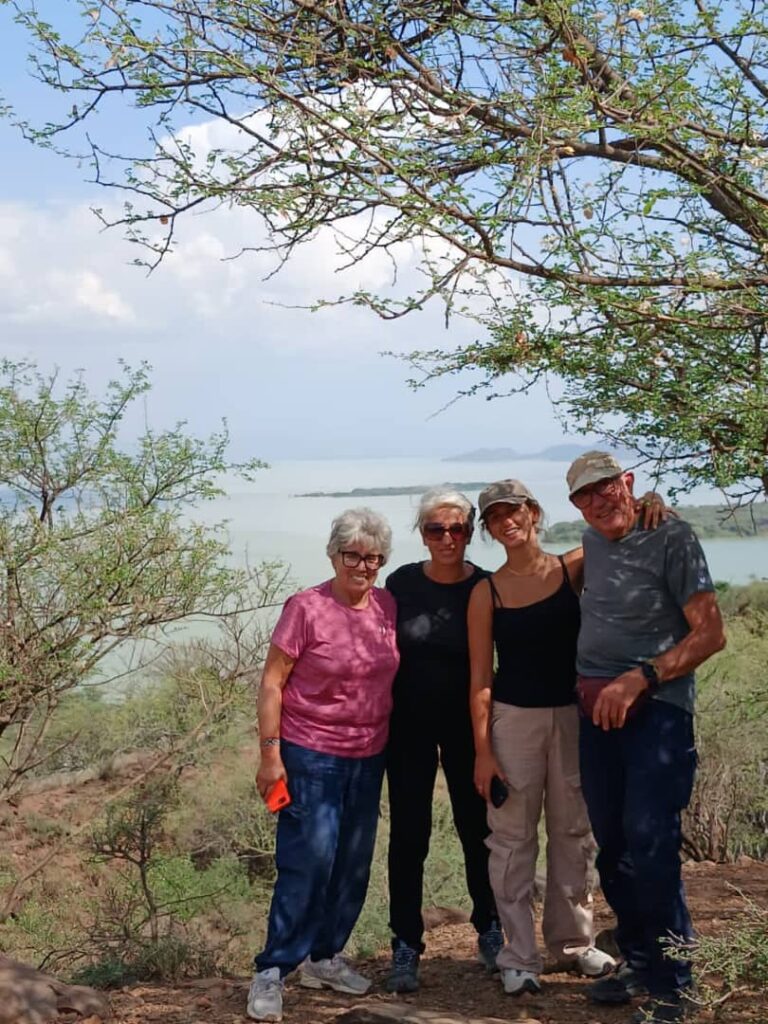 Safari PlanningBest Time to Visit East Africa for a Safari: A Month-by-Month Guide for UK & European TravellersRead article →
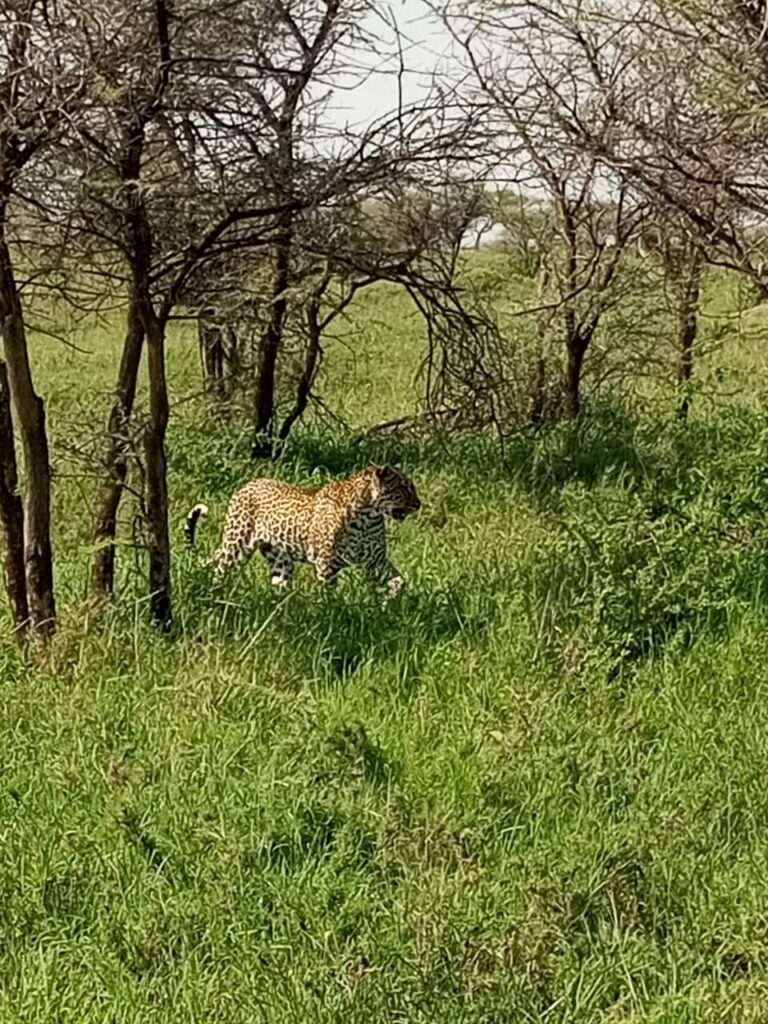 TourismKenya Coastal Safari: Malindi, Watamu & Lamu Island Guide for European TravellersRead article →
 TourismBest Time to Visit Bwindi Impenetrable Forest for Gorilla Trekking (2026 Guide)Read article →
Tell us when and how many of you are travelling. A real person replies by email or WhatsApp within 24 hours with a line-by-line quote. No deposit until you are happy with the plan.
Let our expert team craft your perfect safari adventure. Custom itineraries, competitive prices, and unforgettable experiences.
Start Planning Your Safari