 Tourism
Safety is the number one concern American travelers raise before booking an East African safari. It’s a fair question — you’re traveling thousands of miles to a region most Americans know only from news headlines. But the reality on the ground is far more reassuring than those headlines suggest.
Millions of tourists visit Kenya, Tanzania, Uganda, and Rwanda every year without incident. Tourism is the economic backbone of these countries, and governments invest heavily in keeping visitors safe. That said, smart preparation makes a real difference. Here’s what you actually need to know.
Uganda is one of East Africa’s safest destinations for tourists. Kampala, like any major city, requires basic urban awareness — avoid walking alone at night with valuables, use registered taxis or ride-hailing apps. Outside the capital, tourist areas like Bwindi Impenetrable National Park, Queen Elizabeth National Park, and Murchison Falls are well-patrolled and safe. Gorilla trekking groups are always accompanied by armed rangers. The U.S. State Department rates most of Uganda at Level 2 (Exercise Increased Caution), the same level as France and the UK.
Kenya has the most developed tourism infrastructure in East Africa. The Masai Mara, Amboseli, Lake Nakuru, and coastal areas like Diani Beach have strong security presence. Nairobi requires the same caution you’d exercise in any large city — stick to well-known neighborhoods, use established transport, and don’t flash expensive electronics. Safari lodges and camps in national parks are extremely safe.
Tanzania consistently ranks among Africa’s most politically stable countries. The Serengeti, Ngorongoro Crater, Tarangire, and Zanzibar are all well-established tourist circuits with excellent safety records. Dar es Salaam is the main entry point and is generally safe during daylight hours. Zanzibar’s Stone Town is walkable and tourist-friendly.
Rwanda is arguably the safest country in East Africa. Kigali is one of the cleanest, most orderly cities on the continent. Violent crime against tourists is virtually unheard of. The country has invested enormously in security infrastructure, and you’ll notice a visible but unobtrusive police presence throughout. Gorilla trekking in Volcanoes National Park is exceptionally well-managed.
Health preparation is more important than security concerns for most safari travelers. Before your trip, visit a travel clinic (most major US cities have them) at least 6 weeks before departure. You’ll need a yellow fever vaccination certificate for Uganda and Rwanda — it’s legally required for entry. Kenya and Tanzania require it if you’re arriving from a yellow fever country.
Malaria is present in all four countries. Your doctor will prescribe prophylaxis — Malarone (atovaquone/proguanil) is the most common choice for Americans. It’s well-tolerated with minimal side effects. Beyond medication, pack DEET-based insect repellent and wear long sleeves at dusk.
Tap water is not safe to drink in any of these countries. Stick to bottled or filtered water. Safari lodges and camps provide safe drinking water. Avoid ice in drinks outside of established hotels and restaurants.
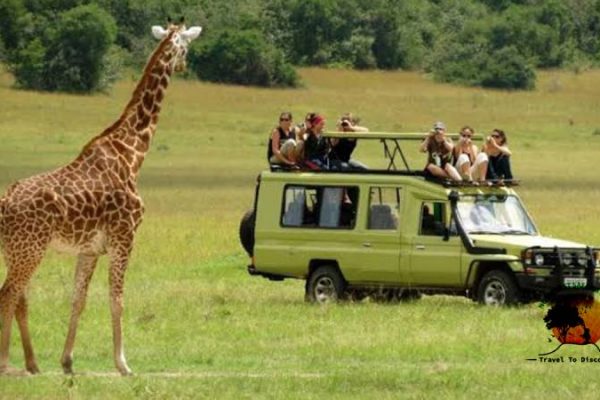
You’re visiting some of the world’s greatest wildlife areas, so respecting animal boundaries is essential. Your safari guide is your best safety resource — they know animal behavior intimately and will keep you at safe distances. Key rules include never leaving your vehicle in national parks unless at designated areas, staying quiet during gorilla and chimpanzee trekking, and following your guide’s instructions without exception.
Hippos and elephants cause more tourist injuries than lions or leopards. Both are unpredictable when surprised. Your guide will know how to read their body language and maintain safe distances.
Register with the U.S. Embassy’s Smart Traveler Enrollment Program (STEP) before departure — it provides emergency alerts and makes it easier for the embassy to contact you. Carry photocopies of your passport separately from the original. Keep your travel insurance documentation accessible (not just on your phone).
Use reputable, licensed safari operators. This is the single most important safety decision you’ll make. A good operator handles logistics, employs experienced guides, maintains vehicles to high standards, and knows the terrain. Booking through a local operator like Nature Nest Safaris means you have someone on the ground who knows the current conditions and can respond to any situation.
Cell phone coverage is surprisingly good in East Africa. MTN and Airtel SIM cards work in most tourist areas and are cheap to buy at the airport. WhatsApp works everywhere there’s signal. Download offline maps before your trip as backup.
Travel insurance is non-negotiable for an East African safari. Make sure your policy covers medical evacuation — the nearest world-class hospital may be hours away from remote safari areas. Companies like World Nomads, Allianz, and IMG offer plans that include emergency evacuation. Budget $150-$300 for comprehensive coverage on a 2-week trip.
East Africa is no more dangerous for American tourists than most popular international destinations. The safari industry is professional, experienced, and deeply invested in keeping visitors safe. With basic preparation — vaccinations, malaria prophylaxis, travel insurance, and a reputable operator — you’ll spend your trip focused on the incredible wildlife and landscapes rather than worrying about safety.
Ready to plan your East African safari? Contact Nature Nest Safaris at book@naturenestsafaris.com or call +256 777 131 912. We handle all the logistics so you can focus on the experience.
Ready to plan your East African adventure? Browse our curated safari experiences:
Trips that match this guide. Every itinerary can be tailored to your dates and budget, and quotes are free.
 Safari PlanningBest Time to Visit East Africa for a Safari: A Month-by-Month Guide for UK & European TravellersRead article →
 TourismKenya Coastal Safari: Malindi, Watamu & Lamu Island Guide for European TravellersRead article →
 TourismBest Time to Visit Bwindi Impenetrable Forest for Gorilla Trekking (2026 Guide)Read article →
Let our expert team craft your perfect safari adventure. Custom itineraries, competitive prices, and unforgettable experiences.
Start Planning Your Safari