 Safari Planning
An African safari is one of those rare travel experiences that truly changes how you see the world. But if you’ve never been on one, the planning process can feel overwhelming. Which country should you visit? How much will it cost? Is it safe? What should you pack? This guide answers every question first-time safari travelers ask.
East Africa is the heartland of safari travel, and each country offers a distinct experience:
Home to the iconic Masai Mara, Kenya is where the modern safari was born. It’s the best place to witness the Great Migration’s dramatic river crossings (July-October), see the Big Five in a single park, and experience Maasai culture. Perfect for first-timers who want the quintessential safari experience.
Tanzania boasts the Serengeti (the largest intact migration ecosystem on earth), the Ngorongoro Crater (a natural amphitheater teeming with wildlife), and Mount Kilimanjaro. It’s ideal for travelers who want vast, uncrowded landscapes and world-class game viewing across multiple iconic parks.
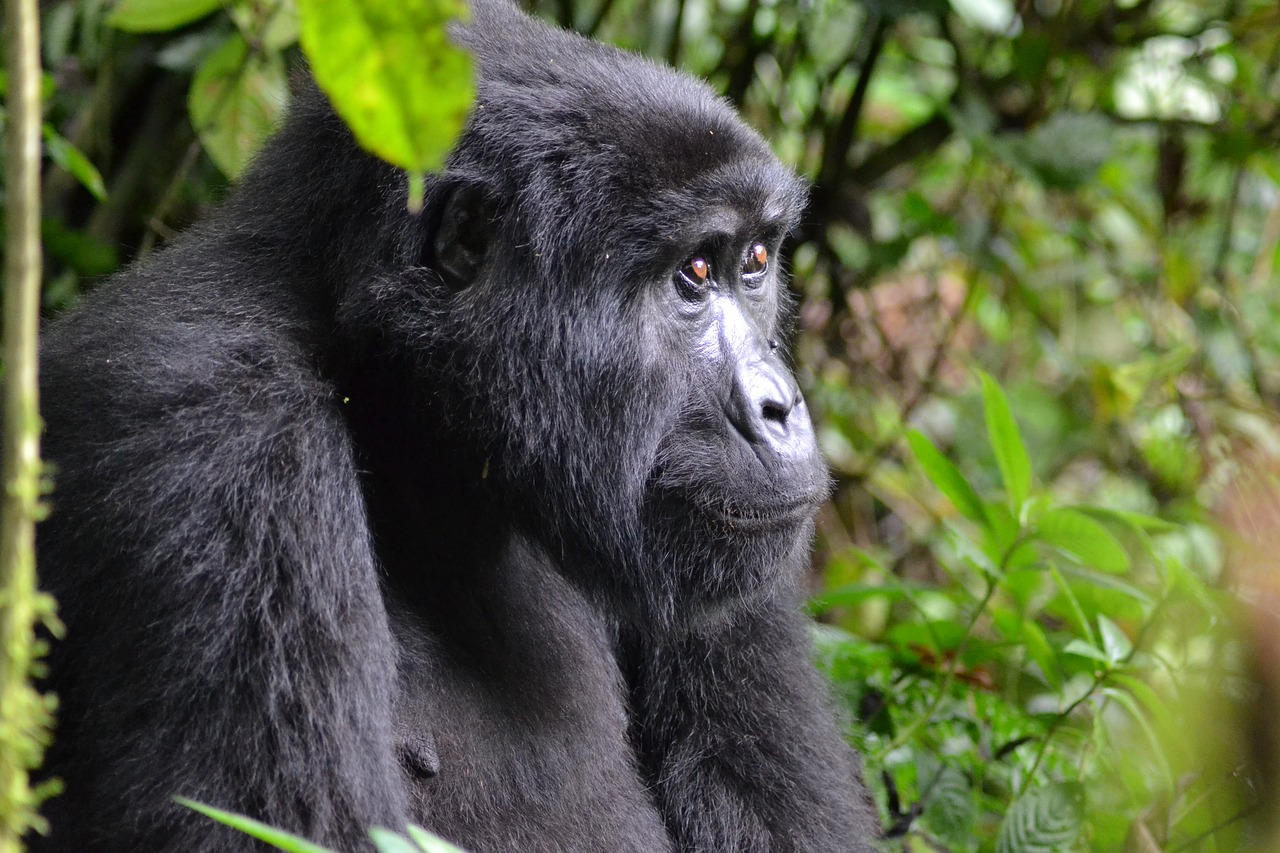
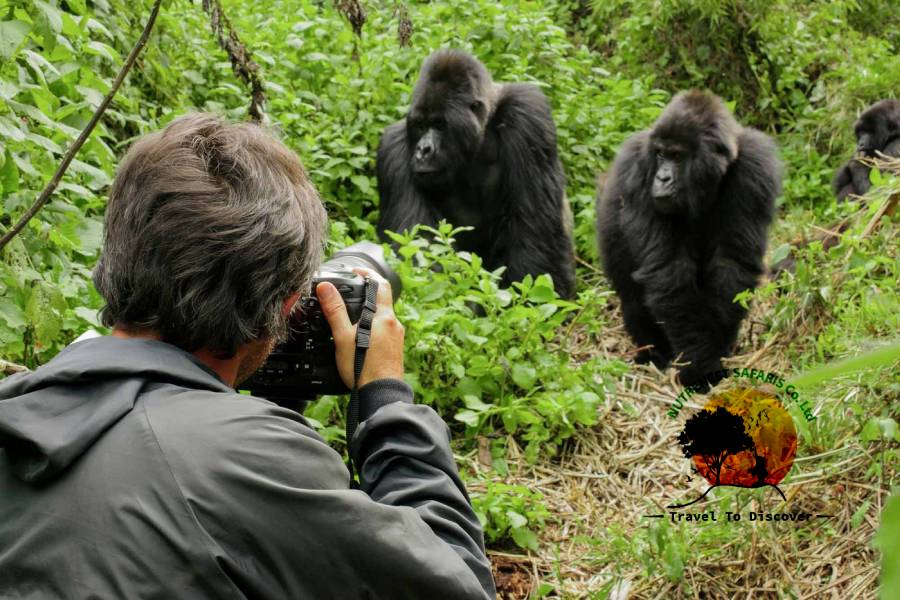
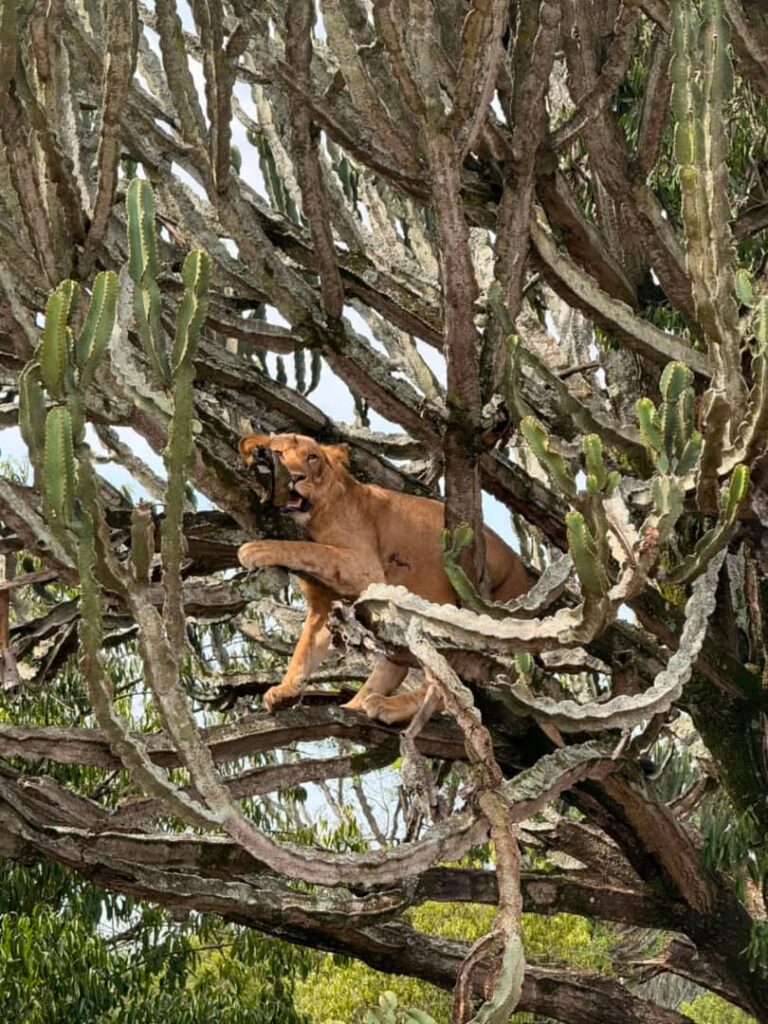
Uganda is the top choice for primate encounters — mountain gorillas in Bwindi and chimpanzees in Kibale Forest. It also offers Big Five game drives, Murchison Falls, tree-climbing lions, and white-water rafting on the Nile. It’s the most diverse and affordable East African destination.
Rwanda combines world-class gorilla trekking in Volcanoes National Park with emerging luxury safari experiences in Akagera National Park. It’s compact, well-connected, and offers an incredibly polished travel experience. Ideal for short trips or luxury travelers.
Safari activities vary by destination and style, but these are the core experiences:
East Africa is very safe for tourists. Safari lodges and camps are located in private conservancies and national parks with professional security. You’ll be accompanied by experienced guides at all times during activities. The countries are politically stable, and the tourism infrastructure is well-established. Standard travel precautions apply — don’t flash valuables in cities, use reputable operators, and follow your guide’s instructions around wildlife.
Consult a travel health clinic at least 6-8 weeks before departure. Here’s what to discuss:
Safari costs vary widely depending on the level of comfort and the destinations included:
| Category | Daily Cost (per person) | What to Expect |
|---|---|---|
| Budget | $100 – $200 | Basic lodges/camping, shared vehicles, simple meals |
| Mid-range | $200 – $400 | Comfortable lodges, private vehicle, full-board meals |
| Luxury | $400 – $800+ | Premium lodges/tented camps, all-inclusive, exclusive experiences |
Gorilla trekking permits ($600-$1,500) and hot air balloon flights ($400-$500) are extra. International flights to East Africa typically cost $600-$1,500 from North America or Europe.
The best safari is the one you actually take. Don’t overthink it — East Africa has been welcoming visitors for decades, and the experience will exceed every expectation.
Whether it’s your first time on the African continent or you’re returning for more, our team of local experts will design an itinerary that matches your interests, budget, and schedule. Ready to plan your safari? Contact Nature Nest Safaris for a free, personalized quote.
Ready to plan your East African adventure? Browse our curated safari experiences:
Trips that match this guide. Every itinerary can be tailored to your dates and budget, and quotes are free.
Let our expert team craft your perfect safari adventure. Custom itineraries, competitive prices, and unforgettable experiences.
Start Planning Your Safari