 Cultural Experiences
When most European travellers picture an East African safari, they imagine vast herds of wildebeest crossing the Serengeti or a silverback gorilla emerging from Uganda’s misty forests. But some of the most unforgettable moments on safari have nothing to do with wildlife at all — they come from the people, traditions, and living cultures that have shaped this remarkable corner of the world for centuries.
At Nature Nest Safaris, we believe the best safari experiences weave together wildlife, landscape, and culture into something that stays with you long after you’ve returned home to London, Paris, or Amsterdam. Here is how to make the most of East Africa’s cultural riches on your next trip.
Uganda is home to more than 50 distinct ethnic groups, each with its own language, customs, and artistic traditions. For British travellers flying direct from London Heathrow to Entebbe, the cultural immersion begins almost immediately.
In the Karamoja region of northeastern Uganda, the Karamojong people maintain a semi-nomadic pastoralist lifestyle that has endured for generations. Visiting a traditional manyatta (homestead) offers a window into a way of life that revolves around cattle, community, and the rhythms of the land. Many visitors describe this as one of the most humbling experiences of their trip.
The Batwa pygmies of southwestern Uganda — the original forest dwellers of Bwindi Impenetrable Forest — offer guided heritage walks that share their ancestral knowledge of medicinal plants, hunting techniques, and forest survival. This experience pairs beautifully with gorilla trekking, giving travellers a deeper understanding of the forest ecosystem.
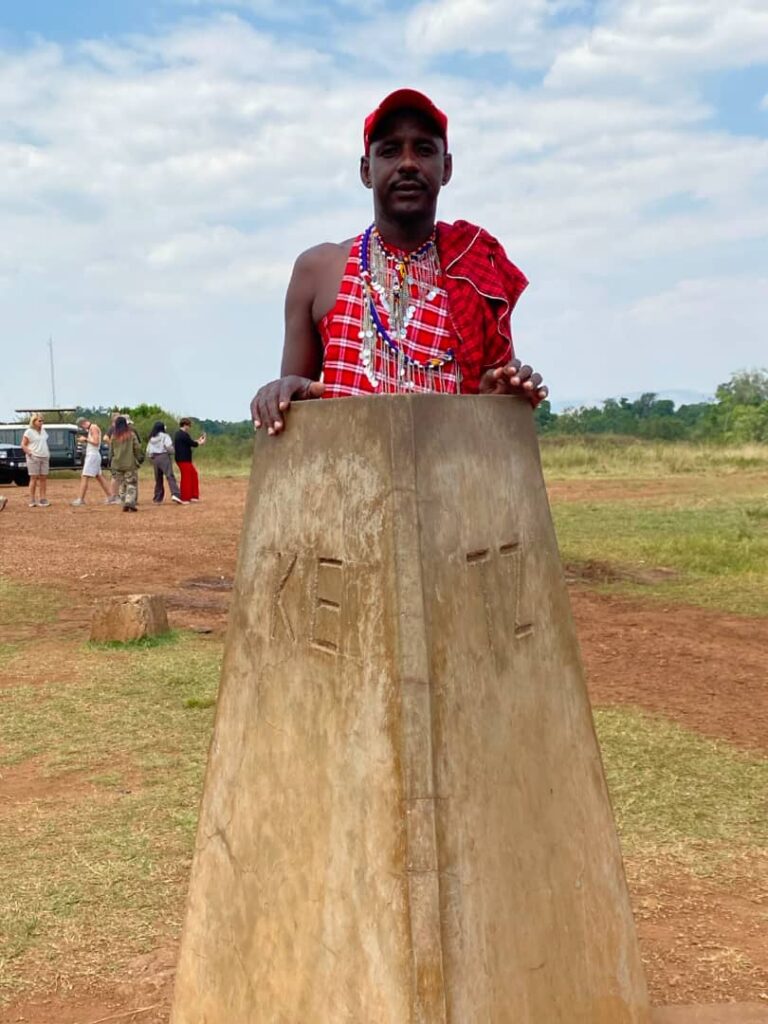
No cultural safari experience in East Africa is complete without spending time with the Maasai, one of the continent’s most recognised and resilient communities. In Kenya’s Masai Mara conservancies, community-owned tourism initiatives allow visitors to participate in authentic cultural exchanges rather than staged performances.
You might learn the rhythmic jumping dance known as adumu, visit a traditional enkang (village compound), or sit with Maasai elders who share stories about coexisting with lions and elephants. For European visitors accustomed to paying around £80–120 for a cultural experience back home, the value here is extraordinary — and the proceeds go directly to the communities.
In Lamu, on Kenya’s coast, Swahili culture blends Arab, Persian, and African influences into something entirely unique. The narrow streets of Lamu Old Town, a UNESCO World Heritage Site, feel like stepping into a living museum where donkeys still serve as the primary transport and craftsmen build dhow sailing boats by hand.
Tanzania offers perhaps the widest cultural spectrum of any East African country. In the Lake Eyasi region, the Hadzabe bushmen are one of the last true hunter-gatherer communities on Earth. Joining them for a morning hunt — tracking game with hand-carved bows across the scrubby woodland — is a profoundly moving experience that connects you to humanity’s oldest way of life.
Contrast this with Zanzibar’s Stone Town, where the scent of cloves, cardamom, and cinnamon drifts through carved doorways that tell centuries of trading history. A spice farm tour followed by a cooking class using freshly harvested ingredients makes for a perfect safari wind-down, and flights from Dar es Salaam take just 20 minutes.
Rwanda’s cultural story is one of extraordinary resilience. Beyond the world-famous gorilla trekking in Volcanoes National Park, visitors can participate in Umuganda — the national community service day held on the last Saturday of every month — or attend an Intore dance performance, a centuries-old tradition that celebrates bravery and grace.
The country’s commitment to community-based tourism means that a portion of every gorilla permit (currently priced at $1,500, approximately £1,180) goes directly to local communities, making your visit an act of meaningful support.
The beauty of a cultural safari is that it fits seamlessly into any wildlife itinerary. A typical 10-day trip from Europe might combine three days in Uganda’s Bwindi for gorillas and Batwa heritage walks, three days in Kenya’s Masai Mara for wildlife and Maasai community visits, and a final few days on Zanzibar for Swahili culture and relaxation.
Direct flights from London to Entebbe, Nairobi, or Dar es Salaam make East Africa more accessible than ever, with return fares often available from £450 during shoulder season months like March, May, and November.
Ready to experience East Africa beyond the wildlife? Contact Nature Nest Safaris at book@naturenestsafaris.com or call +256 777 131 912 to start planning your cultural safari adventure.
Ready to plan your East African adventure? Browse our curated safari experiences:
Trips that match this guide. Every itinerary can be tailored to your dates and budget, and quotes are free.
 Cultural ExperiencesMeeting the Maasai: Authentic Cultural Safari Experiences for European TravellersRead article →
 Cultural ExperiencesWhat You Actually Eat on Safari in East Africa: Lodge Meals, Bush Breakfasts and Local Dishes Worth TryingRead article →
 Cultural ExperiencesVisiting a Maasai Village on Safari: How to Do It Respectfully in 2026Read article →
Tell us when and how many of you are travelling. A real person replies by email or WhatsApp within 24 hours with a line-by-line quote. No deposit until you are happy with the plan.
Let our expert team craft your perfect safari adventure. Custom itineraries, competitive prices, and unforgettable experiences.
Start Planning Your Safari