 Tourism
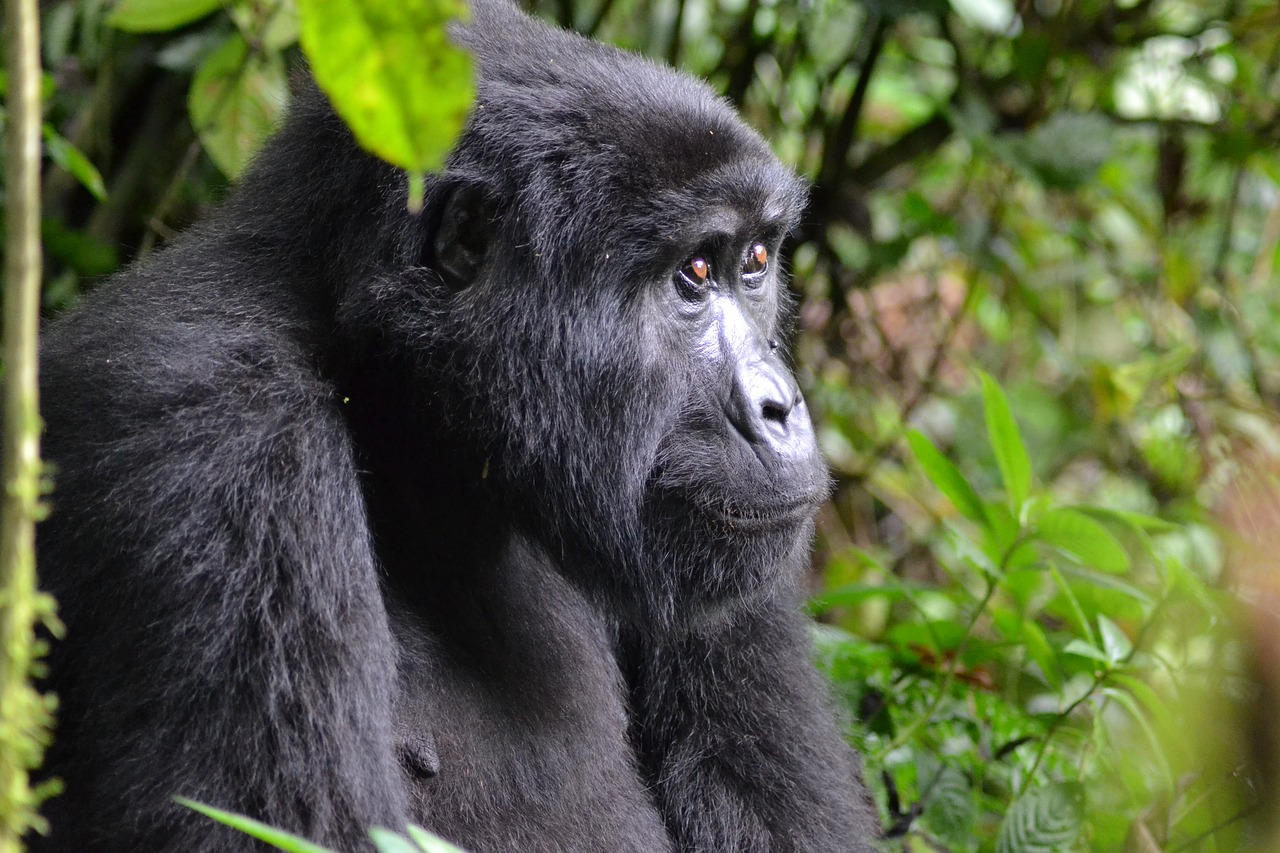
Bwindi Impenetrable Forest National Park is home to roughly half the world’s remaining mountain gorillas — around 459 individuals spread across 331 square kilometres of dense, ancient rainforest in southwestern Uganda. For most European travellers, coming face-to-face with a silverback gorilla in the wild is a once-in-a-lifetime experience, and Bwindi is the premier place to do it.
This guide covers everything you need to plan your visit — from current entry fees and gorilla permit costs to the best trekking sectors and what to pack.
Uganda Wildlife Authority (UWA) sets all national park fees. Current rates for Bwindi Impenetrable Forest:
Foreign non-residents: $40 per person per day (adults), $20 for children aged 5-15. Foreign residents: UGX 35,000 per adult. East African citizens: UGX 25,000 per adult. Children under 5 enter free.
For UK visitors, that works out to approximately £32 per person per day. Most safari operators, including Nature Nest Safaris, bundle park entry fees into your package price.
The gorilla trekking permit is separate from park entry and is the single biggest expense of the trip. Current rates:
Foreign non-residents: $800 per person per trek. Foreign residents: $600 per person. East African citizens: UGX 300,000 per person.
At roughly £640 per person, it’s a significant investment — but one that virtually every visitor describes as worth every penny. The permit revenue funds gorilla conservation, anti-poaching patrols, and community development around the park.
Only 8 visitors are allowed per gorilla family per day, so permits sell out months in advance during peak season (June-September and December-February). Book at least 3-6 months ahead, especially if travelling from Europe during summer holidays.
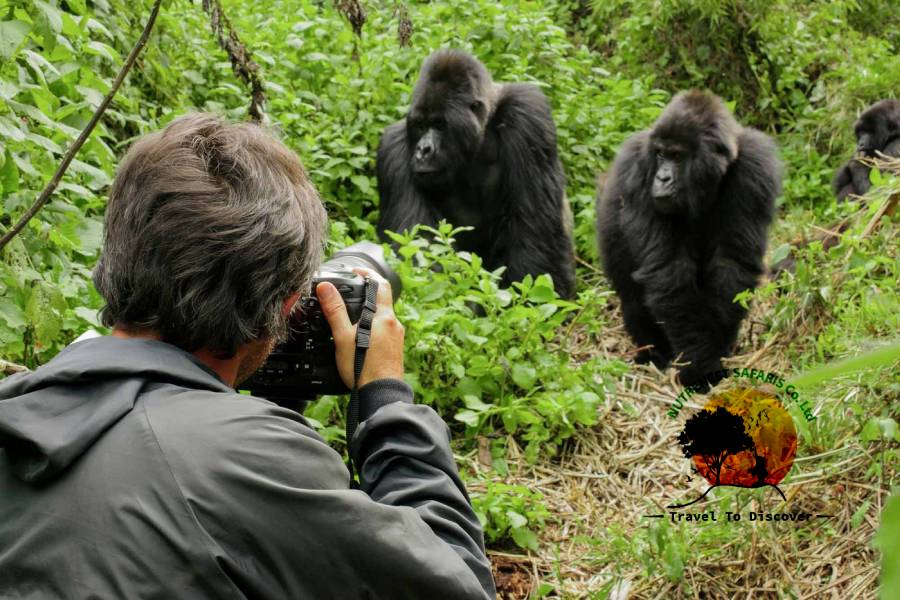
Trekking starts at 8:00 AM with a briefing at your assigned sector’s meeting point. Rangers then lead your group of up to 8 into the forest to find a habituated gorilla family. The trek can take anywhere from 30 minutes to 7 hours depending on where the gorillas are — most treks average 2-4 hours each way.
Once you find the gorillas, you get exactly one hour with them. You’ll watch them feed, play, groom each other, and go about their daily lives from a distance of about 7 metres. Photography is allowed (no flash), and the experience is profoundly moving — many visitors describe it as the highlight of their entire African trip.
The terrain is steep, muddy, and genuinely challenging. Fitness matters, though porters are available for hire (around $15-20, highly recommended) to carry your daypack and help you through difficult sections.
Buhoma — the most accessible sector in the north, with the park headquarters. Treks here tend to be moderate in difficulty. Three habituated groups: Mubare, Habinyanja, and Rushegura.
Ruhija — in the east, at higher elevation. Slightly more challenging terrain but often rewarded with spectacular views. Home to Oruzogo, Bitukura, and Mukiza groups.
Rushaga — the southern sector with the most gorilla families (five groups including Nshongi and Busingye). Popular for gorilla habituation experiences — a 4-hour visit costing $1,500.
Nkuringo — the most physically demanding sector with steep terrain, but known for dramatic landscapes and the Nkuringo gorilla family that often ventures into community land.
The dry seasons — June to September and December to February — offer the best trekking conditions. Trails are drier, less slippery, and generally easier to navigate. These months coincide with European summer and Christmas holidays, making them the most popular (and hardest to get permits for).
The wet seasons (March-May and October-November) bring lower permit availability pressure and discounted “low season” rates at some lodges. The gorillas are there year-round — rain just makes the trek muddier. April is the wettest month.
Bwindi is in Uganda’s far southwest, roughly 450 km from Kampala (8-9 hours by road). The drive is long but scenic, passing through tea plantations and the Kigezi Highlands — often called the “Switzerland of Africa.”
Alternatively, domestic flights from Entebbe to Kihihi or Kisoro airstrips take about 1.5 hours, cutting the journey significantly. From London, direct flights to Entebbe take approximately 9 hours.
Many European visitors combine Bwindi gorilla trekking with Murchison Falls, Queen Elizabeth National Park, or a Serengeti extension in Tanzania for a comprehensive East African safari.
Essentials include sturdy waterproof hiking boots (broken in before the trip), long trousers, long-sleeved shirt (to protect against nettles), a waterproof rain jacket, gardening gloves for grabbing vegetation on steep slopes, and a good camera with a fast lens (no flash). Temperatures in Bwindi range from 7-20°C, so layers are important.
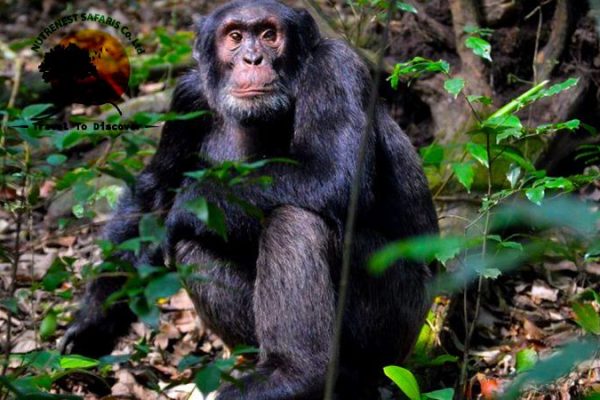
The ideal Bwindi gorilla trek fits into a 3-day extension — one day travelling in, one day trekking, one day travelling out. Combined with other Uganda highlights, a 7-10 day itinerary covers gorillas, chimpanzees, Big Five game drives, and the Nile cruise at Murchison Falls.
Ready to meet Uganda’s mountain gorillas? Contact Nature Nest Safaris at book@naturenestsafaris.com or call +256 777 131 912 for permit availability and a personalised itinerary.
Ready to plan your East African adventure? Browse our curated safari experiences:
Trips that match this guide. Every itinerary can be tailored to your dates and budget, and quotes are free.
 Safari PlanningBest Time to Visit East Africa for a Safari: A Month-by-Month Guide for UK & European TravellersRead article →
 TourismKenya Coastal Safari: Malindi, Watamu & Lamu Island Guide for European TravellersRead article →
 TourismBest Time to Visit Bwindi Impenetrable Forest for Gorilla Trekking (2026 Guide)Read article →
Let our expert team craft your perfect safari adventure. Custom itineraries, competitive prices, and unforgettable experiences.
Start Planning Your Safari