 Kenya Safari Tour
Timing can make or break an African safari. The difference between visiting during the dry season and the peak of the rains affects wildlife sightings, pricing, crowd levels, and even the landscape itself. This month-by-month guide helps you pick the perfect window for your East African adventure.
East Africa doesn’t follow the traditional four-season pattern. Instead, the year divides into four broad periods:
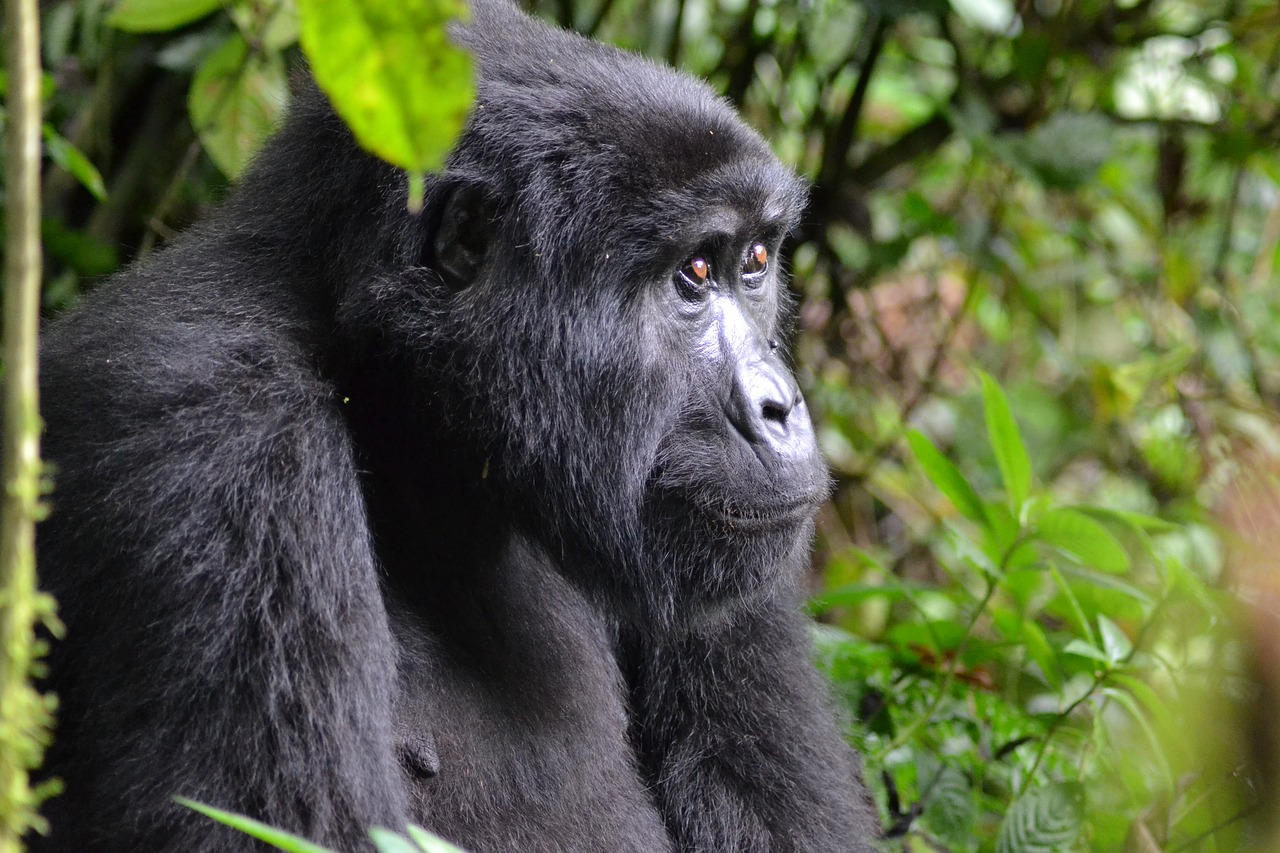
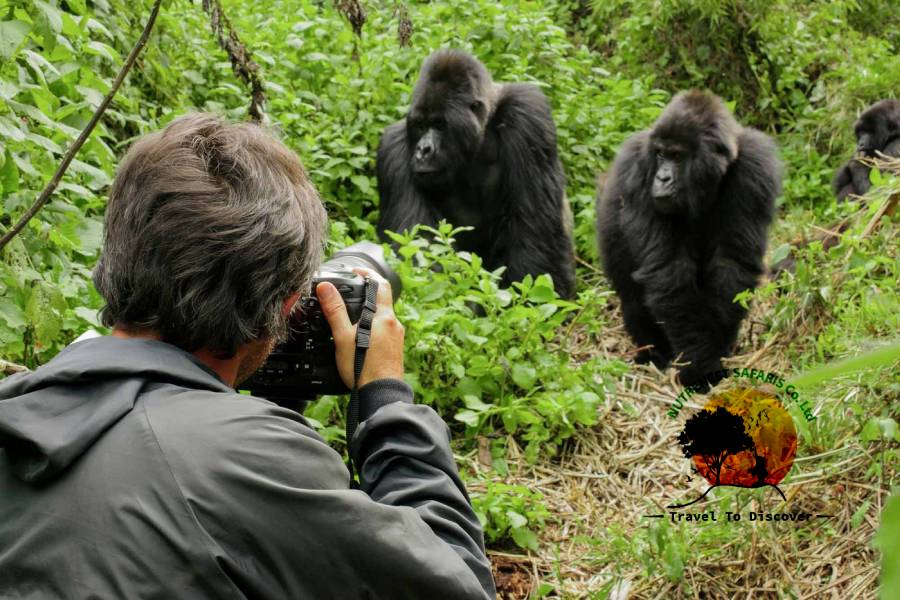
Warm and sunny across the region. In Tanzania, the Great Migration herds gather on the southern Serengeti plains for calving season — one of the most spectacular events in nature. Kenya’s parks are uncrowded. Uganda and Rwanda offer clear skies for gorilla trekking.
The wettest months, particularly April. Roads in remote areas can become challenging, and some bush camps close. However, this is the best time for budget travelers: lodge rates drop by 30-50%, permits are easier to secure, and the landscape transforms into a vivid green paradise. Birdwatchers will find this season exceptional, with migratory species arriving from Europe and Asia.
The rains taper off, vegetation thins, and game viewing steadily improves. By July, the Great Migration reaches Kenya’s Masai Mara, with dramatic river crossings continuing through September. This is peak season — book well in advance. Uganda’s Bwindi forest is at its driest and most accessible for gorilla trekking.
The absolute peak for wildlife viewing. Water sources shrink, forcing large herds to congregate at rivers and waterholes. The Mara river crossings are at their most intense. October offers slightly lower prices as the season winds down, making it a savvy choice for experienced safari-goers.
Brief afternoon showers green up the landscape without disrupting game drives. Many animals give birth during this period, attracting predators and creating dramatic scenes. It’s a beautiful, underrated season with competitive pricing and thinner crowds.
| Country | Peak Season | Highlights |
|---|---|---|
| Kenya | July – October | Great Migration river crossings, Big Five game drives |
| Tanzania | June – October, January – February | Serengeti migration, calving season, Ngorongoro Crater |
| Uganda | June – September, December – February | Gorilla trekking, chimpanzee tracking, Murchison Falls |
| Rwanda | June – September | Gorilla trekking, golden monkeys, Nyungwe chimps |
The long rains (March – May) offer the lowest prices across East Africa. Shoulder months like November and early December also provide excellent value. If you’re flexible on dates and don’t mind occasional rain, you can save 30-50% on accommodation while still enjoying superb wildlife encounters.
For first-time visitors, July through October delivers the most reliable game viewing and the best chance of witnessing the Great Migration. For gorilla trekking, June through September offers the driest trails. And for travelers seeking value without compromising on quality, January through February is the sweet spot — great weather, fewer crowds, and competitive prices.
No matter when you visit, East Africa always delivers. The wildlife is resident year-round, and every season has its own magic.
Ready to plan your safari? Contact Nature Nest Safaris for a free, personalized quote tailored to your ideal travel dates.
Ready to plan your East African adventure? Browse our curated safari experiences:
Trips that match this guide. Every itinerary can be tailored to your dates and budget, and quotes are free.
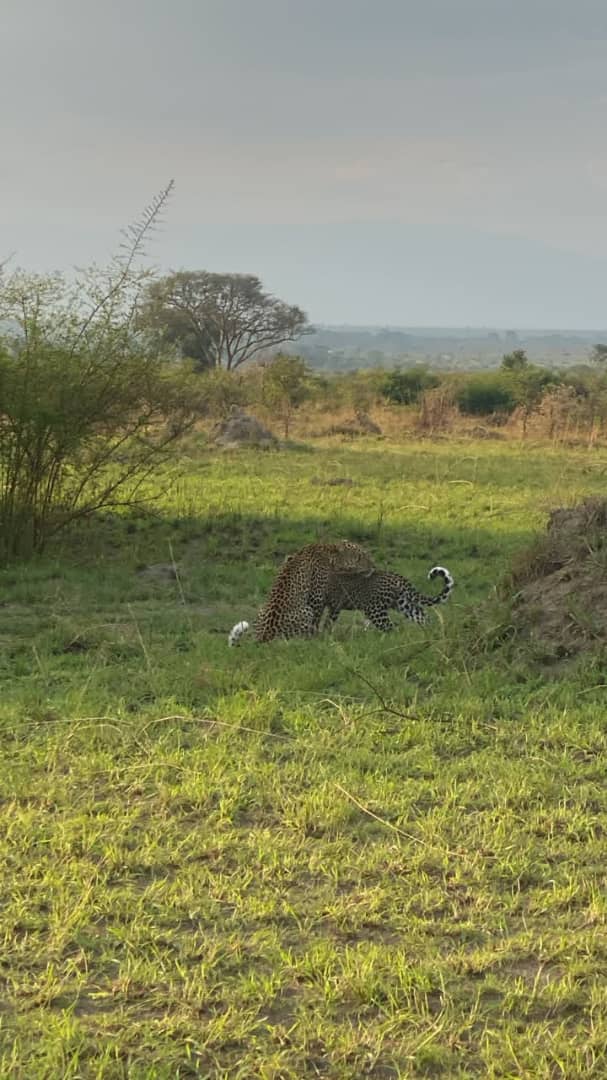
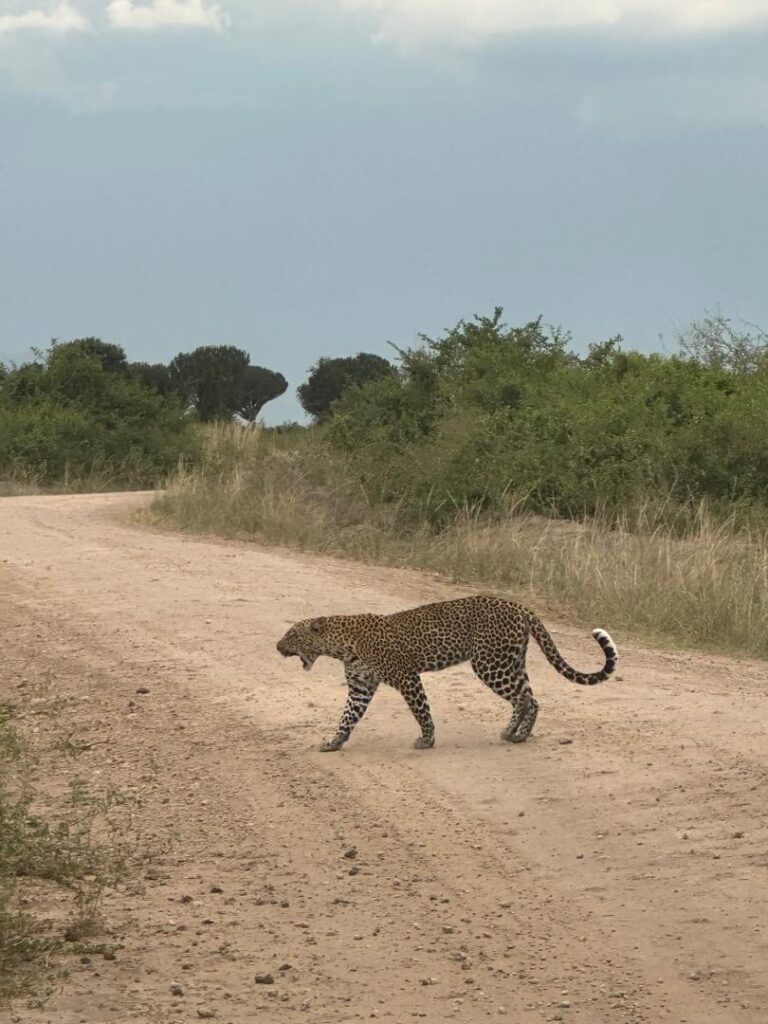 Safari PlanningSpotting Leopards in Uganda: A Big Cat Safari Guide for UK & European TravellersRead article →
 Cultural ExperiencesMeeting the Maasai: Authentic Cultural Safari Experiences for European TravellersRead article →
 Safari PlanningBest Time to Visit East Africa for a Safari: A Month-by-Month Guide for UK & European TravellersRead article →
Let our expert team craft your perfect safari adventure. Custom itineraries, competitive prices, and unforgettable experiences.
Start Planning Your Safari