 Safari Planning
The Great Wildebeest Migration is the single most searched safari experience by European travellers — and for good reason. Over two million wildebeest, 500,000 zebra, and 350,000 gazelle travel a continuous circular route between Tanzania’s Serengeti and Kenya’s Masai Mara, covering approximately 1,800 kilometres every year.
Understanding where the herds are each month is essential for planning your trip. Here’s your complete month-by-month guide for 2026.
Location: Ndutu area, southern Serengeti plains
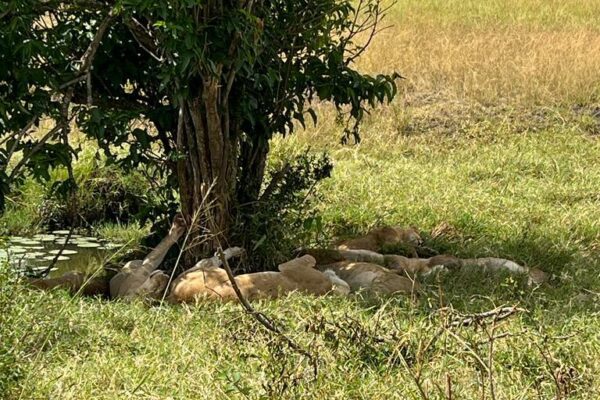
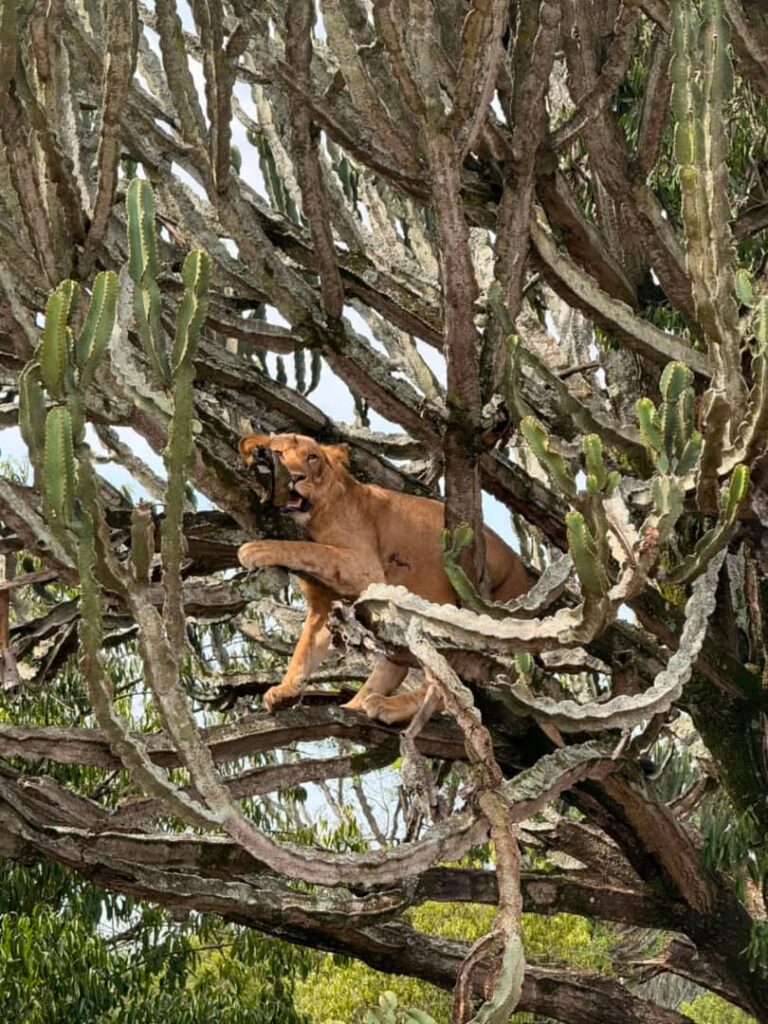
The herds gather on the short-grass plains around Ndutu and the Ngorongoro Conservation Area. Approximately 8,000 calves are born every day during this period — and predators know it. Lion prides, cheetahs, and hyenas follow the herds closely, creating some of the most dramatic predator-prey interactions you’ll ever witness.
Why visit now: Fewer tourists than peak season, incredible photography opportunities, newborn wildlife, and predator action. This is increasingly popular with European travellers taking February half-term holidays.
Location: Central Serengeti, moving northwest
The herds begin their march northward as the rains arrive. The landscape turns emerald green, creating stunning contrast for photography. This is shoulder season with lower prices and fewer tourists.
Why visit now: Lowest prices of the year (20-40% savings). Green season photography is exceptional. The herds are on the move, creating dynamic viewing. Easter holiday timing can catch the early movement.
Location: Western Serengeti, Grumeti River area
The mega-herds reach the Grumeti River — the first major water crossing of the migration. Enormous Nile crocodiles lie in wait. This is a less-visited part of the Serengeti with excellent exclusive camps.
Why visit now: The first river crossings are less crowded than the famous Mara River crossings later in the year. Late June marks the start of European summer holidays — book early.
Location: Northern Serengeti and Kenya’s Masai Mara
This is the main event. The wildebeest face the treacherous Mara River — with its swift currents and massive crocodiles — in heart-stopping crossings that have become the defining image of African safari. The herds cross and re-cross the river throughout July and August.
Why visit now: This is the peak of the migration and coincides perfectly with European summer holidays. It’s the most popular (and most expensive) time to visit, but the spectacle is unmatched anywhere on Earth.
European traveller tip: The Masai Mara is easier to reach from Nairobi (domestic flight), while the northern Serengeti requires a longer transfer from Kilimanjaro. Both offer river crossings, but the Mara tends to be more consistently busy with crossings.
Location: Masai Mara (early) moving back to northern Serengeti
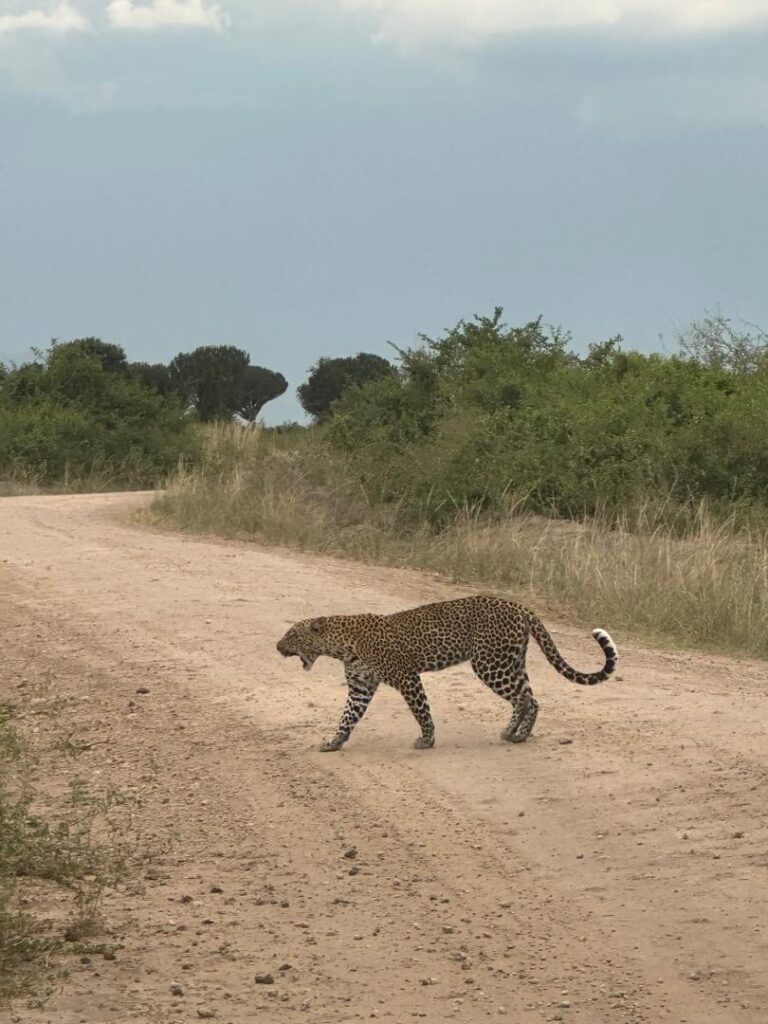
The herds graze the lush Mara grasslands before beginning their return south. Late crossings can still occur through September. The resident wildlife of the Mara — lions, leopards, elephants, buffalo — is outstanding year-round.
Why visit now: October half-term (UK) and autumn breaks in Europe align beautifully with this period. Prices drop from peak but wildlife remains excellent. Fewer vehicles means more intimate encounters.
Location: Loliondo and eastern Serengeti, moving toward the southern plains
The short rains trigger the herds’ return journey south. The Serengeti becomes green again, and the herds move steadily toward the southern calving grounds. By late December, they’re back on the Ndutu plains where the cycle begins again.
Why visit now: Christmas and New Year safaris catch the herds in transit. The landscape is dramatic with afternoon thunderstorms and golden light. This period combines well with a festive season bush dinner under the stars.
March–May (green season): €150–€300 per person per day, fewer tourists, lush landscapes.
July–August: €350–€600 per person per day, peak spectacle, book 6+ months ahead.
January–February (calving) or October (half-term): Good wildlife, manageable prices, ideal for children.
January–February (calving drama) and July–August (river crossings): The two most photogenic periods.
Tell us your preferred month and budget, and we’ll position you exactly where the herds will be. Our migration safaris are crafted with decades of ground-level knowledge of herd movement patterns.
Email: book@naturenestsafaris.com | WhatsApp: +256 777 131 912
Ready to plan your East African adventure? Browse our curated safari experiences:
Trips that match this guide. Every itinerary can be tailored to your dates and budget, and quotes are free.
Let our expert team craft your perfect safari adventure. Custom itineraries, competitive prices, and unforgettable experiences.
Start Planning Your Safari