 Safari Planning
Uganda sits directly on the equator, which means it never has a true winter and never has a true off-season. What it has instead are two dry seasons, two wet seasons, and a set of trade-offs that quietly decide whether your safari is a good one or an unforgettable one. For European travellers weighing up flight prices, school holidays and gorilla permit availability, timing matters more than most brochures admit.
Here is how the Ugandan calendar actually works — and which month suits which kind of traveller.
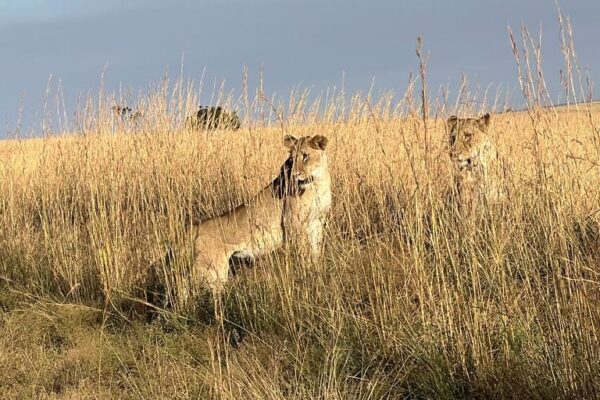
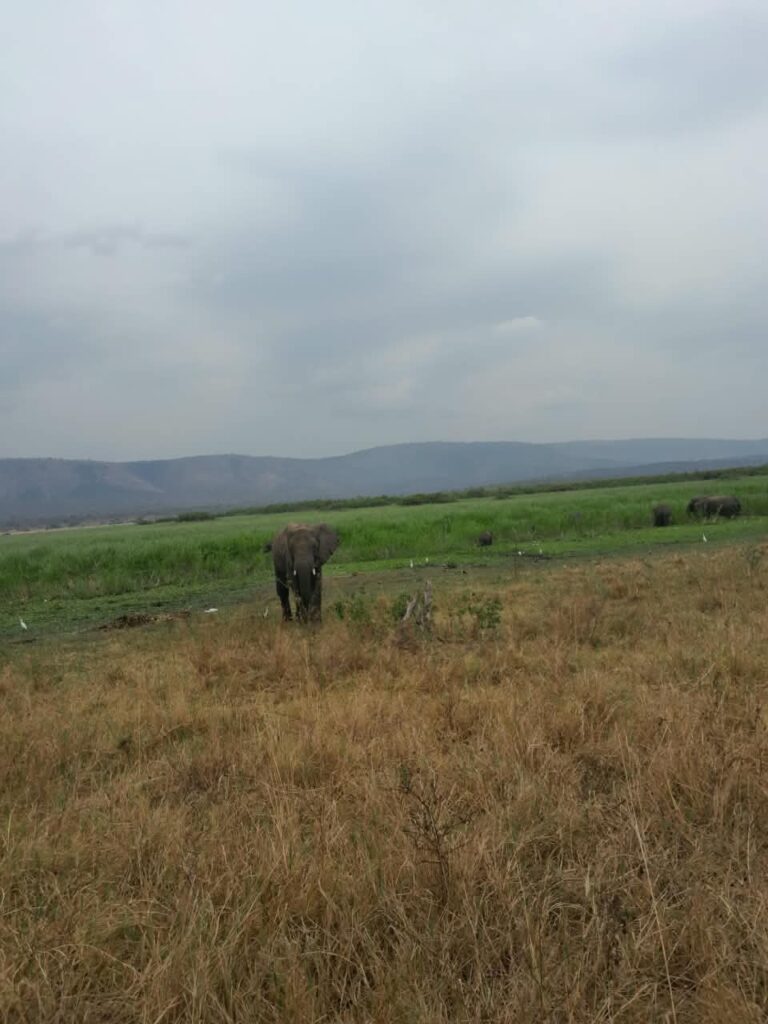
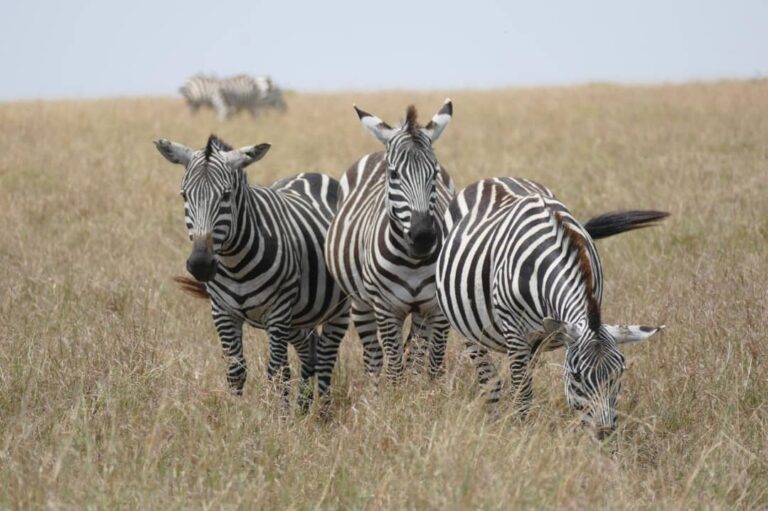
These are the peak windows, and for good reason. In the dry months the grass in Murchison Falls and Queen Elizabeth National Park is short and gold, waterholes shrink, and animals concentrate around the remaining water. Lions become far easier to find. Elephant herds gather along the Nile and the Kazinga Channel in numbers that photograph beautifully.
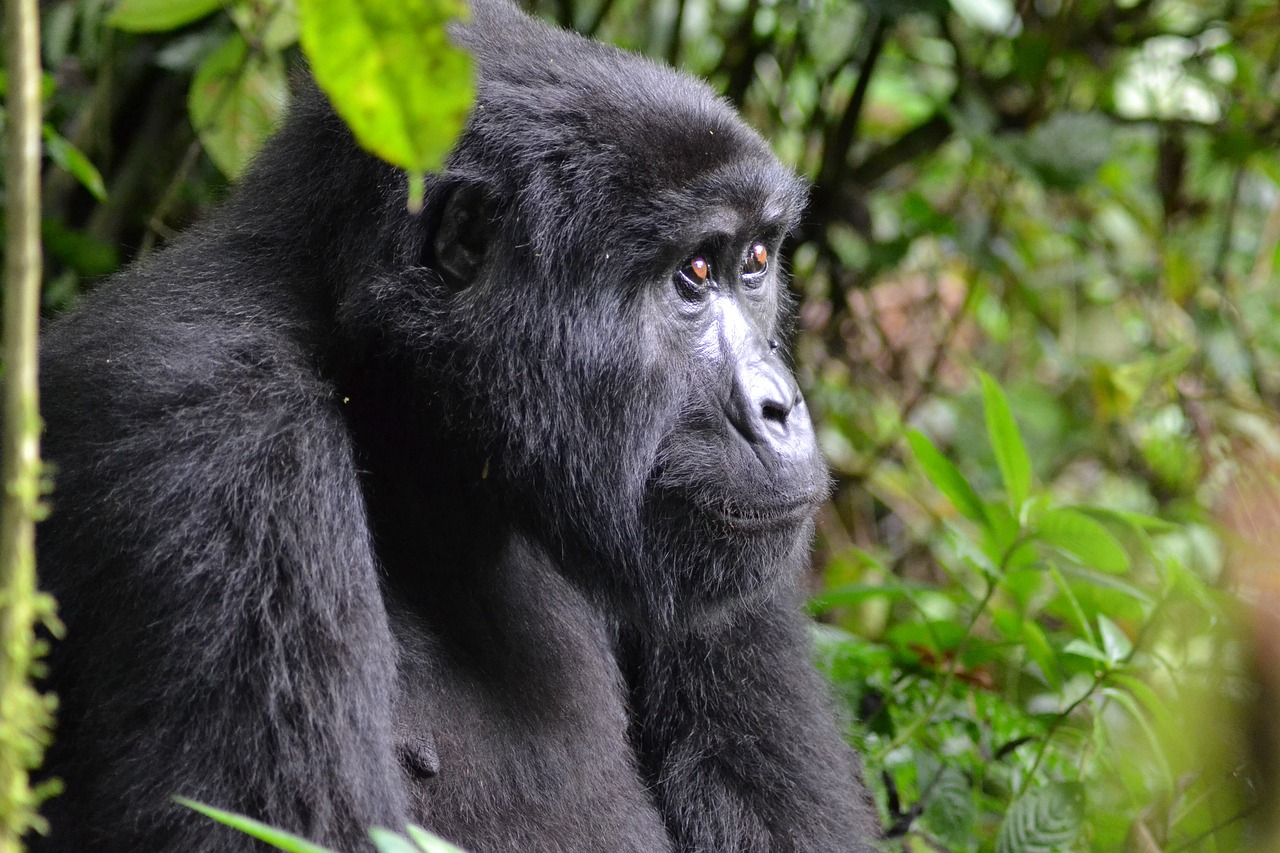
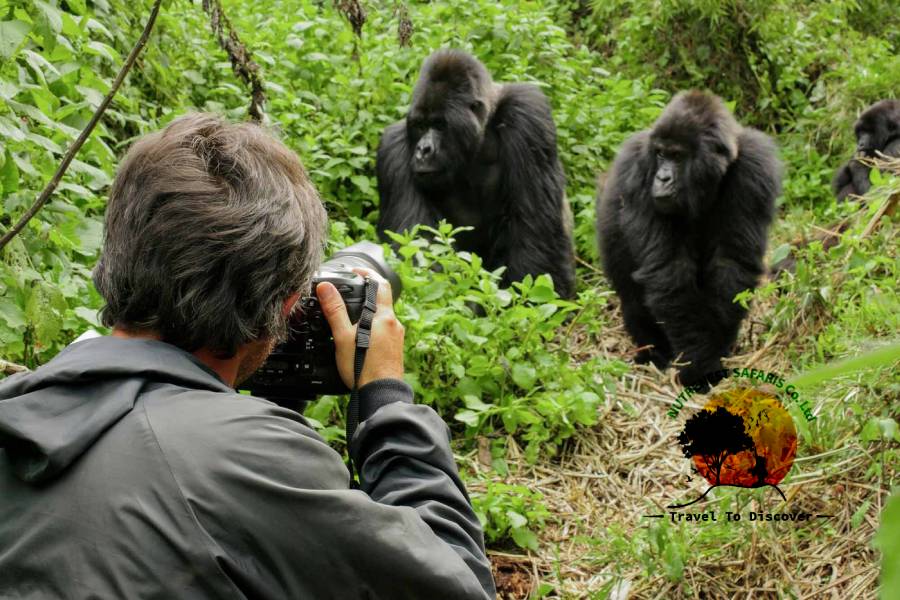
For gorilla trekking in Bwindi Impenetrable Forest, the dry seasons are also kindest. The forest trails are steep and slippery year-round, but in June–September they are merely demanding rather than genuinely punishing. If you have any doubts about your fitness, book a dry-season trek.
Best for: first-time safari travellers, families, photographers, anyone nervous about gorilla trekking conditions.
Trade-off: gorilla permits sell out 6–10 months ahead, and lodge rates in Bwindi and Kibale peak. From the UK, July and August flights also collide with school holidays — expect £750–£950 return from London rather than the usual £550–£700.
Do not write these months off. Ugandan rain is rarely all-day drizzle in the British sense — it usually arrives as a heavy afternoon downpour that clears within a couple of hours. Mornings are frequently bright, and game drives run normally.
What you gain is substantial. The landscape turns spectacularly green, birdlife peaks as migrants arrive from Europe between November and April, and lodges drop rates by 20–40%. Bwindi is at its most atmospheric in the mist. Crater lakes around Fort Portal look like something out of a painting.
Best for: birders, photographers who prefer moody light, returning safari-goers, and anyone travelling on a defined budget.
Trade-off: muddier gorilla treks, some remote park tracks become challenging, and a few seasonal camps close in April and May.
January–February — Hot, dry, superb game viewing. Popular with European travellers escaping the northern winter. Book gorilla permits early.
March — Rains begin mid-month. A genuine sweet spot: dry-season wildlife density at shoulder-season prices.
April–May — The wettest stretch. Lowest prices of the year and near-empty parks. Best suited to experienced travellers who don’t mind mud.
June–July — The long dry season begins. Arguably the single best window for combining gorillas with classic savannah game. Book by November for the following year.
August–September — Excellent conditions continue. August is the busiest month for European visitors; September offers the same weather with noticeably fewer people.
October–November — Short rains. Green, quiet, and good value. Strong for birding and chimpanzee tracking in Kibale.
December — Dries out from mid-month. Festive-period demand pushes flights and lodges up sharply, so book well ahead.
Direct and one-stop routings from London to Entebbe run via Nairobi, Addis Ababa, Doha or Istanbul, typically 12–16 hours door to door. Uganda’s e-visa is applied for online in advance and costs around US$50 for a single entry. A yellow fever vaccination certificate is required on arrival.
One planning point catches many people out: gorilla permits, not flights, are the binding constraint. Uganda issues a strictly limited number per day at US$800 each, and dry-season dates go first. Secure the permit, then build the rest of the trip around it.
If this is your first Ugandan safari, aim for June, July or September. If you have travelled in Africa before and want the country largely to yourself at a lower cost, March or October are quietly brilliant. If your budget is the deciding factor, April and May will stretch it furthest — just pack proper boots.
Ready to plan your safari? Contact Nature Nest Safaris at book@naturenestsafaris.com or call +256 777 131 912
Ready to plan your East African adventure? Browse our curated safari experiences:
Trips that match this guide. Every itinerary can be tailored to your dates and budget, and quotes are free.
Tell us when and how many of you are travelling. A real person replies by email or WhatsApp within 24 hours with a line-by-line quote. No deposit until you are happy with the plan.
Let our expert team craft your perfect safari adventure. Custom itineraries, competitive prices, and unforgettable experiences.
Start Planning Your Safari