 Uganda Safari
If you have already pictured yourself watching lions from a crowded ring of minibuses, Kidepo Valley National Park is the antidote. Tucked into Uganda’s far north-east where the country meets South Sudan and Kenya, Kidepo is the park most European travellers have never heard of — and the one almost all of them rank as their favourite once they have been. On a typical morning game drive here you will see more buffalo than people.
Kidepo covers 1,442 square kilometres of golden savannah hemmed in by the Morungole and Lotukei mountain ranges. Two seasonal river valleys, the Kidepo and the Narus, cut across it, and in the dry season the Narus becomes the park’s lifeline — every animal for miles gravitates to its remaining pools. That concentration is what makes game viewing here so productive.
The park receives a fraction of the visitors that Queen Elizabeth or Murchison Falls do. For British and European travellers used to the vehicle queues of the Masai Mara or Serengeti, the emptiness is the headline attraction. You can spend a full day on the Narus circuit and pass one other car.
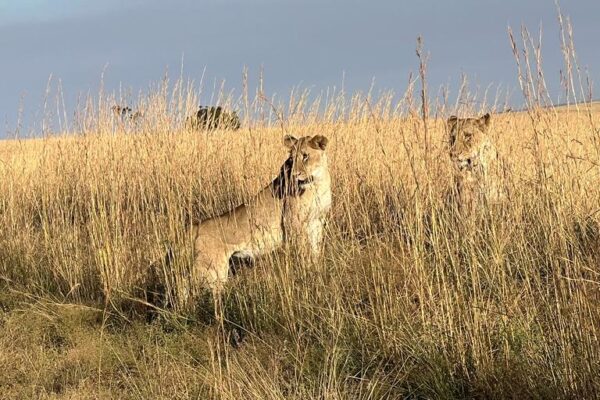
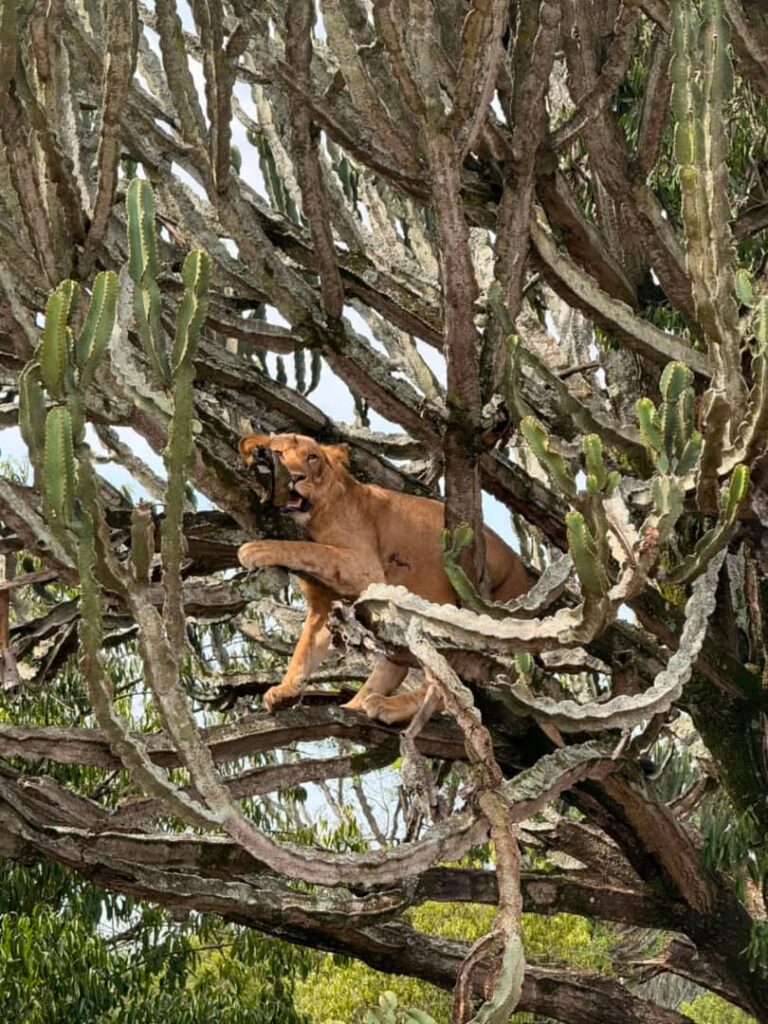
Kidepo holds around 77 mammal species, several of which occur nowhere else in Uganda. Cheetah, greater and lesser kudu, Guenther’s dik-dik, the caracal and the bat-eared fox are all Kidepo specialities. Lions are common and often found sprawled on the rock outcrops around the Narus Valley. Elephant, buffalo herds several hundred strong, Rothschild’s giraffe, zebra, oribi and jackal round out the cast.
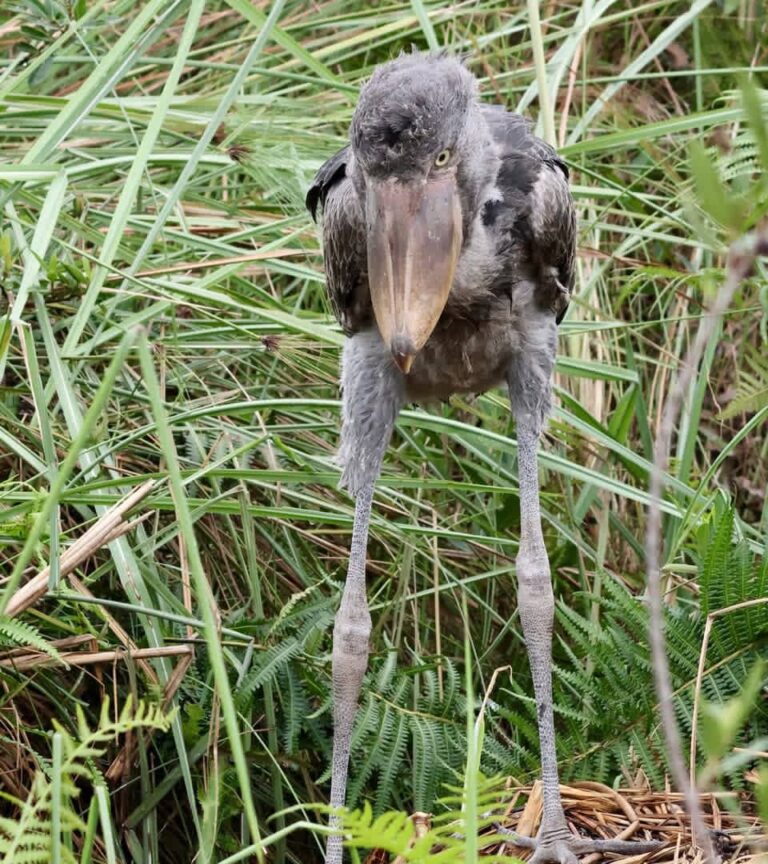
Birders do well here too — roughly 475 recorded species, including the ostrich, the Karamoja apalis and the kori bustard, Africa’s heaviest flying bird. Most of these are dry-country species you simply will not encounter elsewhere on a Uganda circuit.
Flights from London to Entebbe run daily via Nairobi, Doha, Istanbul or Addis Ababa, typically £550–£850 return depending on season, with the cheapest fares in the March–May and October–November shoulder periods. From Amsterdam, Paris and Frankfurt, expect similar pricing through the same hubs.
From Entebbe you have two options. The overland drive is roughly 10–12 hours through Karamoja — a genuinely memorable journey, but a long one, usually broken with an overnight stop. Alternatively, scheduled and charter flights from Entebbe to Lomej airstrip take about 90 minutes and cost from around £280 each way. Most European visitors on a 7–10 day trip fly in and drive out, or vice versa, to see the landscape without losing two full days.
Park entry is $40 per person per day for foreign non-residents, with game drives from $30 per vehicle. A four-night Kidepo add-on with mid-range lodging, a driver-guide, meals and park fees typically runs £900–£1,300 per person. A full 10-day Uganda itinerary combining Kidepo with Murchison Falls and gorilla trekking in Bwindi generally sits between £2,600 and £3,800 per person excluding international flights.
Accommodation ranges from the community-run Kidepo Savannah Lodge and UWA bandas at the budget end to Apoka Safari Lodge, one of East Africa’s finest wilderness camps, at the top.
The dry months from September to March are ideal. Wildlife concentrates around the Narus Valley water sources, roads are firm, and the light for photography is superb. September and October are particularly good for European travellers — the landscape still carries some green from the rains, and both flights and lodges are cheaper than the December peak. April to August brings heavier rain; the park is at its most beautiful and its emptiest, but some tracks become difficult.
Kidepo sits in Karamoja, home to the semi-nomadic Karamojong pastoralists and, in the Morungole mountains, the Ik people. Village visits arranged through community tourism initiatives are among the most genuine cultural encounters available anywhere in East Africa — a world away from the staged performances found on busier circuits. We build these in at the request of most of our European guests.
Kidepo rewards travellers who are willing to go a little further. If you want a safari where the wilderness feels genuinely yours, this is the park to build your trip around.
Ready to plan your safari? Contact Nature Nest Safaris at book@naturenestsafaris.com or call +256 777 131 912.
Ready to plan your East African adventure? Browse our curated safari experiences:
Trips that match this guide. Every itinerary can be tailored to your dates and budget, and quotes are free.
Let our expert team craft your perfect safari adventure. Custom itineraries, competitive prices, and unforgettable experiences.
Start Planning Your Safari