 Tourism
Ask any seasoned traveller to name the ultimate African safari destination and Tanzania comes up again and again. It’s not hard to see why — this is a country that holds the Serengeti, the Ngorongoro Crater, Mount Kilimanjaro, and the turquoise waters of Zanzibar all within its borders.
For European visitors flying in from London Heathrow, Amsterdam Schiphol, or Paris CDG, Tanzania offers the complete African experience in a single trip. And at Nature Nest Safaris, we know every corner of it.
The Serengeti is not just a national park — it’s a living, breathing ecosystem the size of Northern Ireland. Over two million wildebeest, zebras, and gazelles sweep across its golden grasslands in the Great Migration, one of the most spectacular wildlife events on the planet.
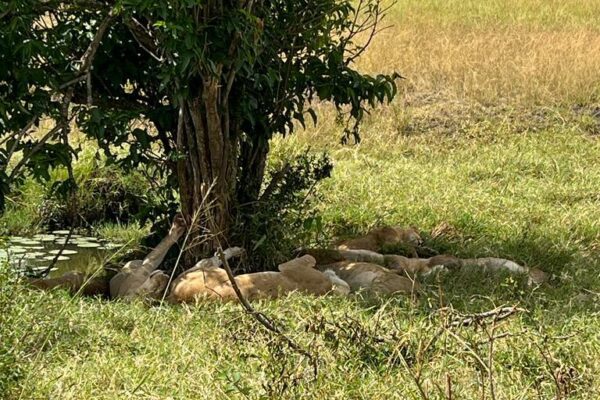
But the Serengeti isn’t only about the migration. Year-round, you’ll find lion prides lazing under acacia trees, cheetahs scanning the horizon from termite mounds, and leopards draped over branches with their kills. It’s the kind of place where you can sit quietly at a waterhole and watch the entire circle of life unfold before your camera lens.
Descending into the Ngorongoro Crater feels like entering a lost world. This collapsed volcanic caldera — 19 kilometres wide — contains one of the densest concentrations of wildlife in Africa. Lions, elephants, buffalo, black rhinos, and flamingo-covered Lake Magadi all share this natural amphitheatre.
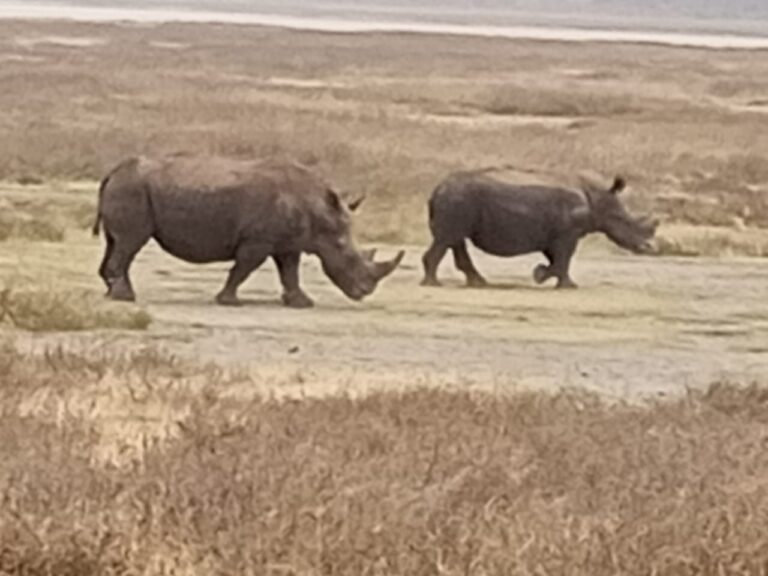
It’s the best place in Tanzania to spot the critically endangered black rhino, and the crater’s self-contained ecosystem means you’re almost guaranteed Big Five sightings in a single game drive. For travellers short on time, Ngorongoro delivers more wildlife per hour than anywhere else on the continent.
What makes Tanzania truly special for European holidaymakers is the ability to combine a bush safari with a beach extension or mountain trek.
After a week of dusty game drives and early morning wake-up calls, a few days on Zanzibar’s white sand beaches feels like paradise earned. The island’s Stone Town is a UNESCO World Heritage Site with centuries of Swahili, Arab, and Portuguese history layered into its narrow streets.
For the more adventurous, Mount Kilimanjaro — Africa’s highest peak at 5,895 metres — is a once-in-a-lifetime challenge that draws thousands of British, German, and Scandinavian climbers each year. No technical experience needed, just determination and a good guide.
Tanzania is mid-range on the East Africa price scale. Park entry fees for the Serengeti are $70 per day for international visitors, and the Ngorongoro Crater charges $295 per vehicle entry. A well-planned 7-day safari covering the northern circuit (Serengeti, Ngorongoro, Tarangire, and Lake Manyara) starts from around $2,500 per person with Nature Nest Safaris, including accommodation, meals, park fees, and your private extended Land Cruiser with guide.
Direct flights from London to Kilimanjaro International Airport are available, with connecting options through Nairobi, Addis Ababa, or Doha typically costing £400-£600 return.
The dry season (June to October) offers the best game viewing as animals gather around water sources. This coincides with the northern Serengeti river crossings — peak migration drama. January and February are excellent for the southern Serengeti calving season, with newborn wildebeest and plenty of predator action.
The shoulder months of November and March-May offer lower prices and fewer crowds, though some roads may be challenging after rain.
Tanzania isn’t just a destination — it’s the safari experience that every other is measured against. Whether you want the Great Migration, a crater full of wildlife, or a Kilimanjaro summit followed by Zanzibar beaches, we’ll build the perfect itinerary for you.
Contact Nature Nest Safaris at book@naturenestsafaris.com or call +256 777 131 912 to start planning.
Ready to plan your East African adventure? Browse our curated safari experiences:
Trips that match this guide. Every itinerary can be tailored to your dates and budget, and quotes are free.
 Safari PlanningBest Time to Visit East Africa for a Safari: A Month-by-Month Guide for UK & European TravellersRead article →
 TourismKenya Coastal Safari: Malindi, Watamu & Lamu Island Guide for European TravellersRead article →
 TourismBest Time to Visit Bwindi Impenetrable Forest for Gorilla Trekking (2026 Guide)Read article →
Let our expert team craft your perfect safari adventure. Custom itineraries, competitive prices, and unforgettable experiences.
Start Planning Your Safari