 Tourism
When you picture an African safari, you imagine open plains, golden light, and a lion padding past your vehicle. What you might not think about is the vehicle itself — but it can make or break your experience. A cramped minivan with fogged-up windows is a very different trip from an extended Land Cruiser with a pop-up roof and cold drinks in the cooler.
Here’s an honest guide to the safari cars you’ll encounter in East Africa, what to look for when booking, and why the vehicle question should be near the top of your checklist.
The Toyota Land Cruiser — specifically the extended-wheelbase safari conversion — is the vehicle serious operators use throughout Uganda, Kenya, Tanzania, and Rwanda. And for good reason.
These vehicles are built for African conditions: high ground clearance for rutted park roads, four-wheel drive for muddy tracks in the rainy season, and a pop-up roof that gives every passenger a 360-degree view for photography and game watching. The extended body means more legroom and space between seats — crucial when you’re spending 6–8 hours on game drives.
At Nature Nest Safaris, we use custom-fitted extended Land Cruisers with charging ports for cameras and phones, a cool box for water and soft drinks, and a maximum of 6 passengers per vehicle (though most of our trips run with 2–4). Each seat is a window seat, and the roof hatches mean everyone can stand and photograph simultaneously.
The Toyota HiAce minivan — often called the “safari bus” — is what you’ll get from budget operators, particularly in Kenya and Tanzania. These seat 7–8 passengers and have a single pop-up hatch in the roof that only 2–3 people can use at once.
They’re cheaper to run, which is why budget safari packages use them. But the trade-offs are real: less legroom, limited roof access for photography, poorer suspension on rough roads, and a lower ride height that puts you further from the animals. In muddy conditions, they get stuck far more often than Land Cruisers.
If you’re comparing safari packages and one is significantly cheaper, check which vehicle is included. That’s often where the cost difference lives.
Want a Safari in a Proper Land Cruiser?
Our fleet is custom-fitted with pop-up roofs, USB charging, and max 6 passengers per vehicle.
Self-drive safaris are possible in East Africa, particularly in Uganda and Kenya, and they’re growing in popularity with adventurous European travellers. You can rent a safari car — typically a Land Cruiser or Land Rover Defender — from $80–$150 per day, plus fuel.
The advantages: complete freedom over your schedule, no guide costs, and the adventure of navigating African roads yourself. The disadvantages: you’ll miss the tracking expertise of an experienced guide (they know where the leopard was spotted this morning), you’re responsible if the vehicle breaks down in a remote park, and navigation can be challenging — not all park roads are mapped on Google.
Our recommendation for first-timers: go with a guided safari. The driver-guides know the parks intimately and will find you animals you’d drive right past on your own. For experienced Africa hands returning for their third or fourth trip, self-drive can be brilliant.
Before booking any safari package, ask these questions:
What vehicle will I be in? You want a Land Cruiser or Land Rover, not a minivan. If they can’t confirm the specific vehicle type, that’s a red flag.
How many passengers per vehicle? More than 6 means a crowded, uncomfortable trip. The ideal is 2–4 passengers in an extended Land Cruiser — everyone gets window seats and roof access.
Does it have a pop-up roof? Essential for photography and game viewing. Some budget vehicles have a small sunroof instead of a full pop-up — not the same thing.
Is there 4WD? Critical for Uganda’s Bwindi roads and Tanzania’s Serengeti during rains. Any operator sending you into national parks without 4WD is cutting corners.
Are charging ports available? Long game drives drain camera batteries. USB or 12V charging points in the vehicle are a small detail that makes a big difference.
The Toyota Land Cruiser (extended-wheelbase safari conversion) is the gold standard. It has high ground clearance, 4WD, pop-up roof for 360-degree viewing, and space for 4–6 passengers. Budget operators may use Toyota HiAce minivans, which have less space and limited roof access.
Yes, for most national parks. Uganda’s Bwindi roads and Tanzania’s Serengeti during rains absolutely require 4WD. Any operator sending you into national parks without 4WD is cutting corners. Always confirm your vehicle has four-wheel drive before booking.
Self-drive safaris are possible in Uganda and Kenya. You can rent a Land Cruiser or Defender from $80–$150/day plus fuel. However, first-timers should go with a guided safari — driver-guides know where animals were spotted that morning and navigate unmarked park roads expertly.
Reputable operators limit vehicles to 6 passengers maximum. The ideal is 2–4 passengers in an extended Land Cruiser, where everyone gets a window seat and roof access. Budget operators may pack 7–8 into a minivan — avoid this if photography matters to you.
Ask five things: (1) What specific vehicle type? (2) Maximum passengers? (3) Does it have a full pop-up roof? (4) Is it 4WD? (5) Are there charging ports for cameras? If the operator can’t confirm these details, consider it a red flag.
Extended Land Cruisers, pop-up roofs, and max 6 passengers. We’ll send you photos of your exact vehicle.
WhatsApp Us Now
Email: book@naturenestsafaris.com
Call/WhatsApp: +256 777 131 912 | No booking fees
Ready to plan your East African adventure? Browse our curated safari experiences:
Trips that match this guide. Every itinerary can be tailored to your dates and budget, and quotes are free.
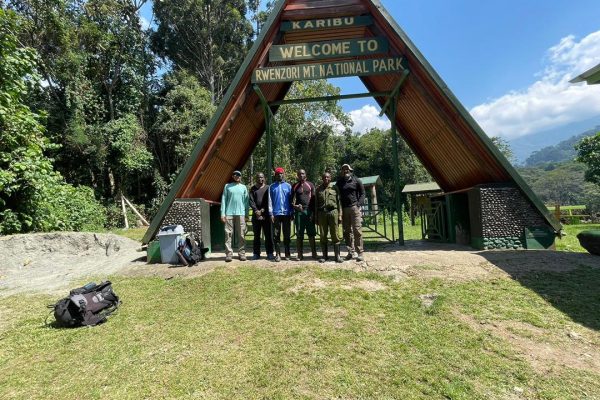 6 days · Uganda6 Days Rwenzori Mountains Central Circuit TrekFrom
 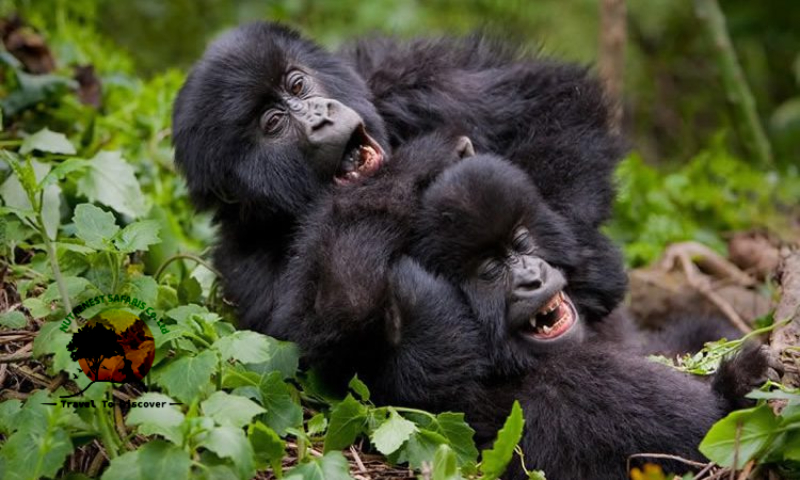 5 days · Uganda5 Days Gorilla Tracking & Game Drives SafariFrom ,200 pp · View itinerary →
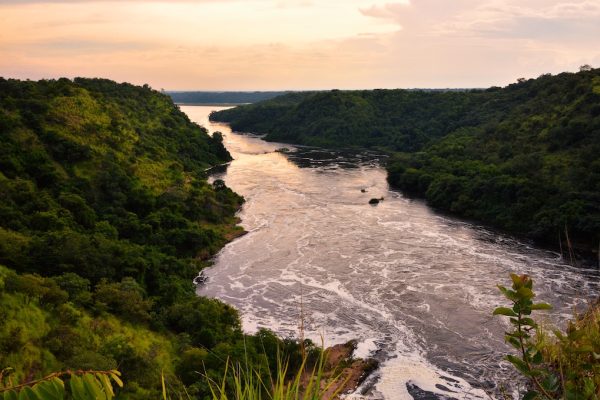 7 days · Uganda7-Day Adventure Itinerary in UgandaFrom
  Safari PlanningBest Time to Visit East Africa for a Safari: A Month-by-Month Guide for UK & European TravellersRead article →
 TourismKenya Coastal Safari: Malindi, Watamu & Lamu Island Guide for European TravellersRead article →
 TourismBest Time to Visit Bwindi Impenetrable Forest for Gorilla Trekking (2026 Guide)Read article →
Let our expert team craft your perfect safari adventure. Custom itineraries, competitive prices, and unforgettable experiences.
Start Planning Your Safari