Day: September 19, 2024

  • Is It Safe to Travel to Tanzania at Any Time?

    Is It Safe to Travel to Tanzania at Any Time?

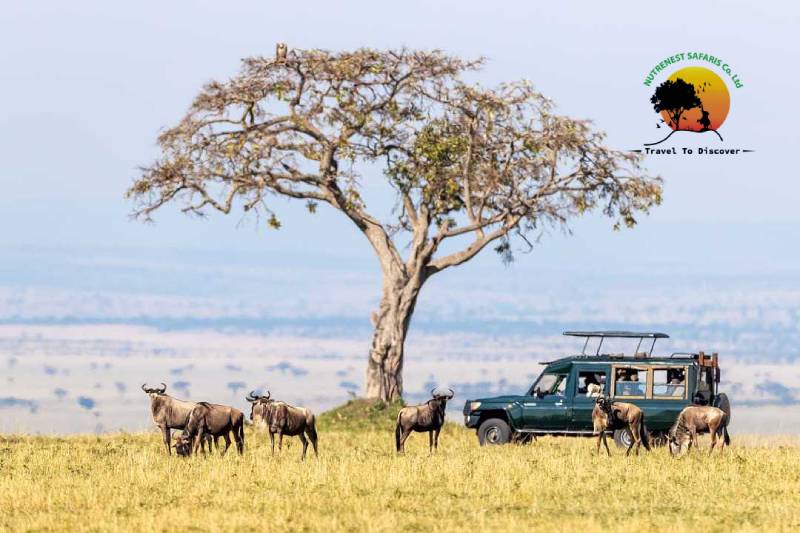
    Tanzania is a safari lover’s dream, offering vast savannahs, iconic wildlife, and a rich cultural tapestry. But before embarking on an African adventure, one key question comes to mind: Is it safe to travel to Tanzania anytime? The good news is that while safety concerns exist, with the right planning and precautions, Tanzania is a relatively safe and rewarding destination year-round.

    General Safety Travel Tips

    When visiting Tanzania, safety begins with preparation. 

    Terrorism and Crime: Like any other country, Tanzania has its challenges. While rare, terrorism threats exist, but they typically target major hubs. Stay updated on travel advisories and avoid any regions where tensions might be higher. Petty crime, such as pickpocketing or theft, can occur, especially in crowded markets or urban centers like Dar es Salaam and Arusha. Always keep valuables close, and avoid isolated areas, especially after dark.

    Road Safety: Tanzania’s roads can be unpredictable. Stick to well-known routes, and hire reputable drivers when traveling between cities or during safaris. Choosing a trusted tour operator, like Nature Nest Safari Company, ensures that you’re guided by local experts familiar with the landscape.

    Cyber security: While traveling, avoid using unsecured Wi-Fi connections in public places to prevent cybercrime. Using VPNs and strong passwords can help protect your personal information. In case you fall victim to such, report to the Tanzania Communications Regulatory Authority (TCRA)

    Border Areas: The regions near Kenya, Mozambique, and Burundi can sometimes experience political unrest or cross-border tensions. It’s advisable to steer clear of these areas unless absolutely necessary, and always stay informed about regional developments.

    Civil Unrest and Political Tension: While Tanzania remains relatively peaceful, political demonstrations or civil unrest can sometimes occur. Avoid large gatherings and monitor local news for any signs of tension.

    Wildlife Safety: Safaris in Tanzania bring you face-to-face with nature’s wonders, but the wild is unpredictable. Always follow your guide’s instructions, remain in your vehicle, and respect the animals’ space. Wildlife safety is essential for a memorable and safe experience.

    Climate and Natural Disasters: Tanzania’s climate varies significantly, from the hot plains of the Serengeti to the cooler peaks of Mount Kilimanjaro. Always check weather conditions before heading out, particularly during the rainy seasons, which can affect road safety. In coastal areas, stay informed about the potential for cyclones.

    Health and Vaccinations

    Travel Insurance: It’s crucial to have comprehensive travel insurance that covers health, cancellations, and any potential medical evacuations, especially if you plan to explore remote areas.

    Physical and Mental Health: Safaris, treks, and climbs require good physical health. Ensure you’re physically fit, especially if you’re considering an ascent to Mount Kilimanjaro. Mental well-being is also important; being prepared and knowing what to expect can reduce stress.

    Vaccinations and Medication: Tanzania requires proof of a yellow fever vaccination if arriving from a country where the disease is present. In addition, vaccines for hepatitis A, typhoid, and cholera are recommended. Malaria is prevalent, so take antimalarial medication and use insect repellent. Bring any prescription medication you may need, as pharmacies may not always have what you require, especially in rural areas.

    Medical Care and Health Risks: Healthcare facilities are limited outside major cities. Be sure to carry a well-stocked first-aid kit, especially if venturing into remote regions. It’s always wise to know the location of the nearest medical facility and have a plan in case of emergencies.

    Local Laws and Customs

    Local Laws: While Tanzania is welcoming, it’s important to respect local laws and customs. Homosexuality is illegal, and public displays of affection should be avoided. Modest clothing is encouraged, especially in rural and conservative areas. Alcohol consumption is generally accepted, but be mindful of local norms, particularly during religious events.

    Dual Citizenship: Tanzania does not recognize dual citizenship for adults, which may affect travelers holding Tanzanian and another citizenship. It’s advisable to travel with only one passport.

    Local Customs: Always greet people with a friendly “Jambo!” and remember to be respectful when visiting places of cultural significance, such as Maasai villages or Zanzibar’s Stone Town.

    Travel and Documentation

    Visa and Border Measures: Ensure your visa is in order before arriving. Most visitors can obtain a visa on arrival, but it’s always best to check in advance. Visa requirements may differ depending on nationality.

    Passport and Other Formalities: Your passport must be valid for at least six months beyond your planned departure. Keep digital and hard copies of important documents, such as your passport, visa, and travel insurance.

    Money and Local Travel: Tanzania’s currency is the Tanzanian shilling, but US dollars are widely accepted. Use ATMs in major cities to withdraw money, but be mindful of transaction fees. Local travel can be by bus, taxi, or domestic flights. For shorter journeys, dala-dalas (minibusses) are a cheap option but be prepared for crowded conditions.

    Local Contacts

    Emergencies: Tanzania has a 24-hour emergency line (112), which can be dialed for immediate assistance. Make sure you know the number for your country’s embassy or consulate for any consular support.

    Consular Contact: Register with your country’s embassy in Tanzania, so they are aware of your travel plans. In case of emergencies or political unrest, your embassy can offer crucial assistance and guidance

    In summary, Tanzania is a safe and stunning destination with the right preparation. From safeguarding your health and respecting local laws to choosing a reputable tour operator, being aware of potential risks is essential. With the right precautions, you’ll find that Tanzania offers some of the most unforgettable safari experiences in the world. Travel smart, stay safe, and get ready for a journey like no other!
  • Which Country Is Best For An African Adventure, Kenya, Uganda, Or Tanzania?

    Which Country Is Best For An African Adventure, Kenya, Uganda, Or Tanzania?

    For anyone dreaming of an African adventure, Kenya, Uganda, and Tanzania are the ultimate safari destinations. Each country offers a unique blend of wildlife, landscapes, and culture that makes them stand out in the world of safari tourism. Whether you’re looking for vast savannahs, dense forests, or endless plains, these countries will leave you in awe. Let’s dive into what each country has to offer for the adventure of a lifetime.

    Kenya: A Safari Classic

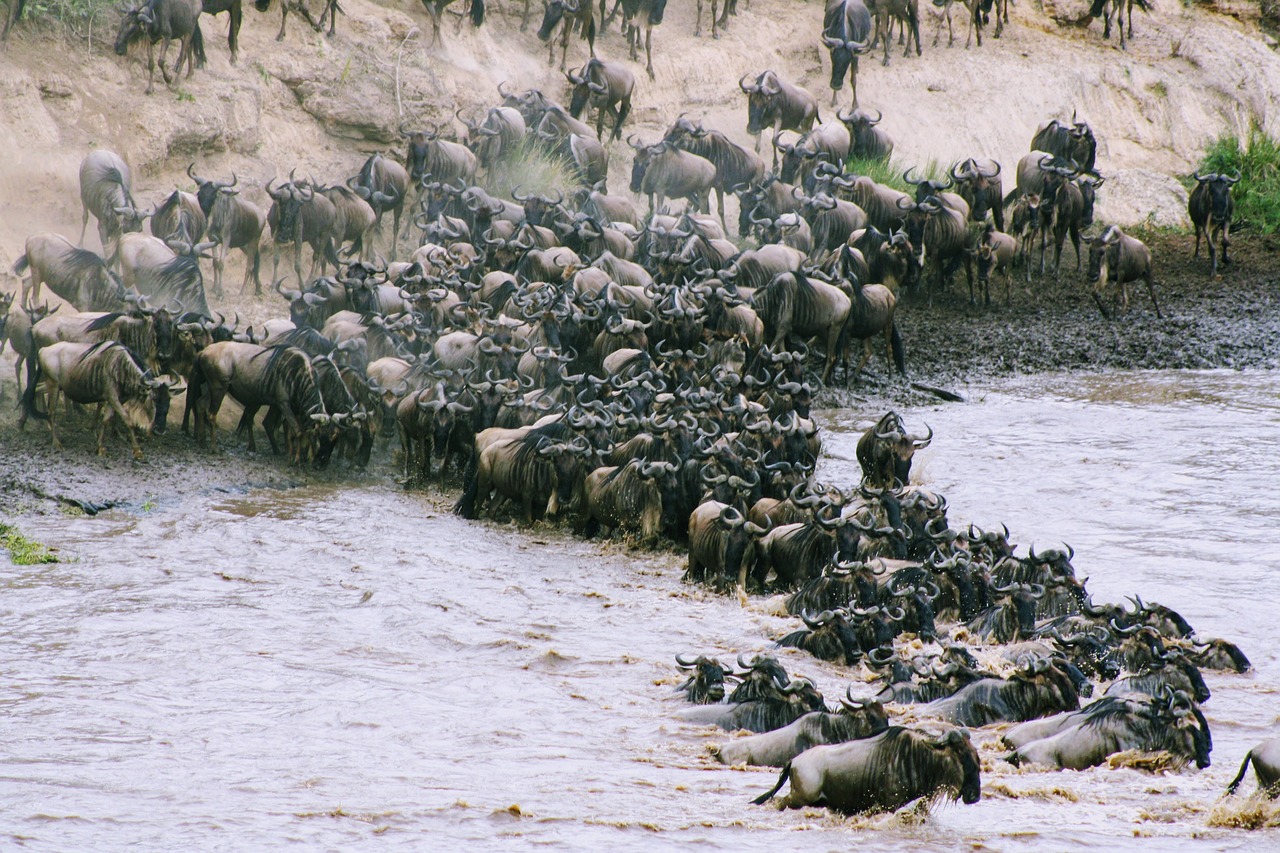
    Kenya is one of Africa’s most iconic safari destinations. Known for its rich wildlife and picturesque landscapes, it’s a top choice for those seeking classic safari experiences. I vividly recall my first encounter with the Maasai Mara – an endless golden savannah stretching out under the wide African sky. I was fortunate enough to witness the Great Migration, a spectacle where thousands of wildebeest, zebras, and gazelles cross the Mara River. The sight of the wildlife thundering across the plains, with predators lurking in the shadows, is one that’s etched in my memory.

    Kenya is not just about the Maasai Mara. Amboseli National Park offers an entirely different landscape, with towering herds of elephants framed by the snow-capped peaks of Mount Kilimanjaro in the distance. The views are surreal, and if you’re an elephant lover, Amboseli is a must-visit. Lake Nakuru, famous for its flocks of pink flamingos, is a paradise for bird watchers. During my visit, the shimmering pink blanket of flamingos was a visual feast, and the sight of rhinos grazing nearby added to the wonder. Tsavo National Park, one of the largest parks in Kenya, is a great place to see diverse wildlife, including elephants, lions, and the elusive leopard.

    Kenya’s weather can be unpredictable, so packing essentials like sunscreen, a hat, and a camera with extra batteries is crucial. A good pair of binoculars is also handy since wildlife tends to surprise you when you least expect it.

    Uganda: The Hidden Gem of Africa

    Uganda is often referred to as the “Pearl of Africa” for a reason. While it may not have the same international fame as Kenya or Tanzania, it offers experiences that are truly one of a kind. My time in Bwindi Impenetrable National Park, trekking to see the endangered mountain gorillas, was nothing short of magical. Gorilla trekking through the thick rainforest, the moment I locked eyes with a silverback gorilla was awe-inspiring. It’s not just about seeing the gorillas but also understanding the delicate balance of conservation efforts that protect them. Uganda’s mountain gorilla tourism plays a crucial role in preserving these gentle giants, and by visiting, you’re contributing to that effort.

    Queen Elizabeth National Park is another gem, home to a variety of ecosystems that support a wide array of wildlife, including tree-climbing lions, hippos, and elephants. The park’s unique location between two lakes offers stunning landscapes and an opportunity for game drives and boat safaris. One of my most memorable moments was cruising along the Kazinga Channel, where I watched hippos and crocodiles basking in the sun while birds soared overhead. Murchison Falls National Park, where the Nile River forces its way through a narrow gorge, creating the world’s most powerful waterfall, is breathtaking. I still remember the roar of the falls and the sight of the river below, teeming with wildlife.

    Every visit to Uganda’s gorilla habitats contributes to their preservation. Uganda’s tourism efforts are focused on ensuring that conservation and wildlife protection remain a priority, which makes visiting Uganda not only thrilling but also meaningful.

    Tanzania: Land of Endless Horizons

    Tanzania’s landscapes are legendary. The Serengeti National Park stands out for its sheer size and incredible wildlife. I remember driving across the Serengeti plains, where the horizon seemed to stretch on forever, and spotting a pride of lions lazing atop a kopje (a small rocky hill) at sunset. The Great Migration, which sees millions of wildebeest, zebras, and gazelles migrate across the Serengeti, is one of the natural world’s most awe-inspiring events. Tanzania’s side of the migration often begins in the Serengeti around May and continues through June, offering visitors a front-row seat to this stunning display of nature.

    Ngorongoro Crater is another world-famous attraction. Formed millions of years ago when a massive volcano collapsed, this UNESCO World Heritage site is a haven for wildlife. Descending into the crater, I saw everything from black rhinos to flamingos, all thriving in this unique ecosystem. The crater’s landscape, combined with its rich wildlife and Maasai culture, creates a truly unforgettable safari experience. A hot air balloon ride over the Serengeti at dawn is something you should try if you can – it’s an experience like no other to float silently above the wildlife as the sun rises over the plains.

    For a safari with a twist, consider combining a wildlife safari with a cultural experience. Visiting a Maasai village will give you insight into how indigenous communities live harmoniously with wildlife. The Maasai’s connection to the land is deep and offers a different perspective on conservation.

    Seasonal Safari Guidance

    Timing your visit is key to maximizing your safari experience. In Kenya, the Great Migration is best seen between July and October when the Maasai Mara comes alive with wildlife crossing the Mara River. Tanzania’s side of the migration is best from May to June in the Serengeti. For gorilla trekking in Uganda, aim for the dry seasons, particularly between June and September, when trails are easier to navigate. However, Uganda remains lush and green year-round, making it a good destination any time of the year.

    Where to Stay: Comfortable and Eco-Friendly Choices

    Choosing the right accommodation can enhance your safari experience. Kenya offers everything from budget campsites to luxury lodges. I stayed at the Sarova Mara Game Camp, which provided a great balance between comfort and being close to nature. In Uganda, Buhoma Lodge near Bwindi is perfect for gorilla trekkers, offering cozy cabins with stunning views of the forest. For Tanzania, the Serengeti Migration Camp is a top choice if you want to immerse yourself in the wilderness while enjoying modern comforts.

    Always book your lodges or campsites in advance, especially during the high season. Many lodges in East Africa prioritize sustainability, so consider choosing accommodations that focus on eco-friendly practices to support conservation.

    Local Guides

    A safari is not complete without the wisdom and experience of local guides. In Kenya, I was lucky to be guided by a Maasai who had an unmatched understanding of the land and its wildlife. His tales of Maasai traditions and knowledge of animal behavior made the experience even richer. In Uganda, my guide’s expertise on gorillas ensured we had a safe and respectful encounter with these magnificent creatures. In Tanzania, our guide knew every corner of the Serengeti, helping us spot elusive animals like cheetahs and leopards.

    Responsible Tourism

    As you plan your safari, remember the importance of traveling responsibly. Choose tour operators that prioritize conservation and community engagement, and always respect the land, wildlife, and people. By supporting eco-friendly lodges and sustainable tourism practices, you are contributing to the preservation of Africa’s natural wonders.

    One Adventure, Three Destinations

    Whether you choose the vast plains of Kenya, the gorilla forests of Uganda, or the endless horizons of Tanzania, each country promises a safari experience like no other. From the thrill of spotting the Big Five to the serenity of floating over the Serengeti in a hot air balloon, East Africa’s wonders are waiting for you. So, pack your bags, charge your camera, and get ready to explore the wild heart of Africa with Nature Nest Safaris

    Your adventure of a lifetime awaits!