Thank you for reading this post, don’t forget to subscribe!
The overview
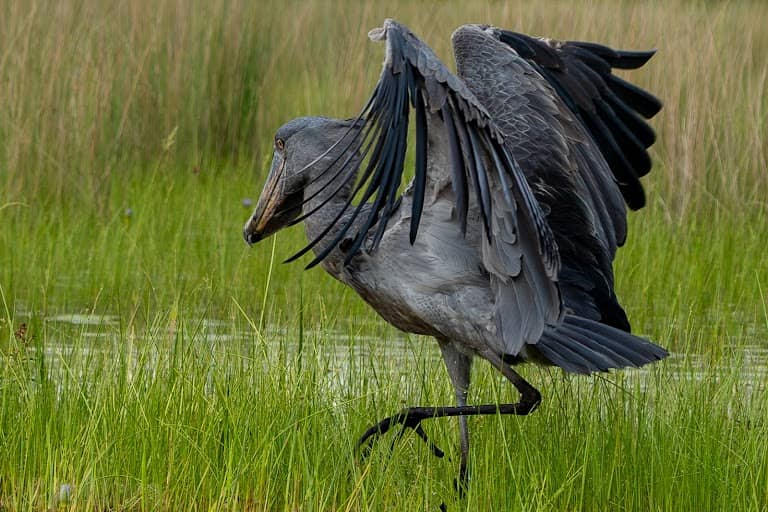
This two-day tour takes you birding in Entebbe and Mabamba Wetland in Uganda. The Mabamba wetland is noted for holding the endangered Shoebill Stork and for being home to a diversity of bird species. Mabamba Island has become among the most intriguing and stunning birding tourism destinations. Aside from Murchison Falls National Park, Mabamba is the only area in Africa or the globe in which the rare shoebill may be sighted at any time of day. There are plenty of other bird species to view on this adventure, in addition to the uncommon shoebill!
DAY 1: Birding in Entebbe’s Botanical Gardens
Have a leisurely breakfast before visiting the Entebbe Botanical Gardens. On Kampala’s best routes, where there are more than 150 different species of birds, you can spend hours birding. Search for the Bare-faced Go Away Bird, Great Blue and Ross’s Turacos, Red Chested, Klaus’s, and Diederik Cuckoo, Great Reed Warbler, Fain Tailed Widow Bird, Striped, Malachite, Giant, Woodland, and Pygmy Kingfishers, Black Bishop, Grey Woodpecker, Olive, Olive Bellied, Red Chested, superb, Copper, and other Sunbirds, among many others. Have a picnic lunch on the grounds, and have some time to relax and watch birds before going back to your hotel for dinner and the night.
Meal plan: Breakfast, Lunch, and dinner
Day 2: Transfer to Mabamba Island and the Search for Shorbills
After an early breakfast, you will be driven to Mabamba Swamp, which is 50 kilometers west of Kampala. On the way to the marsh, keep an eye out for the Papyrus Gonolek, White Shouldered Tit, Red Cap, Western Banded Snake Eagle, White Winged Warbler, White Spotted Fluftail, and Weyns Weaver. This Swamp is a great area to see the elusive Shoebill Stork. Many additional species are also prevalent here, including the Allen’s and Purple Gallinules, Grey herons, Jacanas, Ruffaus Bellied Heron, Squacco, Purple, and Goliath Heron, the worldwide endangered Pallid Harrier, and Blue Swallow a migrant bird, several kinds of egrets, ducks. The most enjoyable way to take in the abundant birdlife is by boat, and if you’re lucky, you might even see the elusive Sitatunga Antelope, which is accustomed to swampy environments. Drive back to the hotel for supper and overnight accommodation later in the afternoon while bird watching safari the end route.
Meal plan: All meals are included
2 Days Mabamba Birding Safari FAQs
What makes Mabamba Wetland special for birding?
Mabamba Wetland holds the endangered Shoebill Stork—one of Africa’s rarest birds. Aside from Murchison Falls, Mabamba is the only area globally where Shoebill may be sighted reliably. Over 150 bird species inhabit the wetland. Boat exploration through papyrus swamps offers optimal viewing perspectives. The combination of rare species, diverse bird populations, and unique wetland ecosystem makes Mabamba premier birding destination in Uganda and East Africa.
Thank you for reading this post, don’t forget to subscribe!
Why is the Shoebill Stork so special?
The Shoebill Stork is one of Africa’s most endangered and elusive birds. Rarely sighted globally, it inhabits papyrus swamps in limited locations. Mabamba Wetland represents one of few reliable viewing locations worldwide. The massive bill, prehistoric appearance, and extreme rarity make Shoebill sighting a transformative birding achievement. Photographing Shoebill represents pinnacle of African birding experiences, drawing enthusiast photographers from worldwide.
Thank you for reading this post, don’t forget to subscribe!
How many bird species are in the 2-day tour?
Entebbe Botanical Gardens hosts 150+ species. Mabamba Wetland adds additional species including specialized water birds, raptors, and migratory species. Combined 2-day tour exposes birders to 170+ species across diverse habitats (gardens, wetlands). The variety ensures continuous bird discoveries throughout the 2-day itinerary. Species checklists enable tracking sightings, creating comprehensive bird documentation of Uganda’s extraordinary avian diversity.
Thank you for reading this post, don’t forget to subscribe!
What other wildlife besides birds can I see?
Mabamba Wetland occasionally hosts Sitatunga Antelope—rare, elusive creatures adapted to swampy environments. Boat exploration through papyrus enables wildlife observation from a water perspective. Occasionally hippos inhabit the swamp. The combination of bird focus with potential mammal sightings creates comprehensive wildlife experiences beyond purely ornithological perspective, enriching overall wetland ecosystem understanding.
Thank you for reading this post, don’t forget to subscribe!
When is the best time for Mabamba birding?
Shoebill sightings possible year-round since birds are permanent residents. Dry seasons (June-October, December-February) offer easier accessibility and comfortable weather. Wet seasons (March-May, September-November) feature migratory species arrivals, increased bird activity during breeding season, and lush papyrus growth. Each season offers distinct birding advantages. Year-round visitation possible. Choose timing based on preferred species, weather tolerance, and migration interests. Nature Nest Safaris helps determine optimal birding timing.
Thank you for reading this post, don’t forget to subscribe!
What physical fitness is required?
Minimal fitness required. Day 1 Entebbe Botanical Gardens involves leisurely walking on manicured grounds with benches for rest and observation. Day 2 involves boat exploration through papyrus swamps with no strenuous activity required. Sitting/standing for extended observation periods during boat tours is primary physical demand. All fitness levels can participate comfortably. Comfortable walking shoes and sun protection recommended for all-day outdoor birding.
Thank you for reading this post, don’t forget to subscribe!
What is included in the 2-day package?
Comprehensive inclusions: accommodation at hotel, all meals (breakfast, lunch, dinner both days), professional birding guides, Entebbe Botanical Gardens entry, transportation to Mabamba Wetland, boat rental/guide for swamp exploration, and any necessary permits. All-inclusive pricing eliminates hidden costs. Guides provide bird identification, behavior information, and optimal positioning for viewing and photography. Customizable packages accommodate varying birding interests and budgets.
Thank you for reading this post, don’t forget to subscribe!
Can Mabamba birding combine with other Uganda experiences?
Absolutely. Combined with additional Uganda parks (Queen Elizabeth, Murchison Falls, Kibale) for comprehensive wildlife safaris adding 2-5 days. Gorilla/chimpanzee trekking creates primate-birding combinations. Lake Bunyonyi visits add scenic beauty. Multi-activity itineraries maximize Uganda’s biodiversity and ecosystem diversity. Nature Nest Safaris designs custom packages combining Mabamba birding with preferred complementary activities creating comprehensive Uganda adventures.
Thank you for reading this post, don’t forget to subscribe!