 Safari Planning
Most travellers booking an East African safari spend weeks comparing lodges and about four minutes buying insurance. That ratio is backwards. A standard annual multi-trip policy bought from a UK price-comparison site will cover a week in Spain perfectly well and quietly leave gaps that matter enormously in Uganda, Kenya, Tanzania or Rwanda.
Here is what actually matters, from an operator that has helped European clients through a handful of real claims.
Forget the headline “up to £10 million medical cover” figure. The question is whether the policy funds emergency repatriation and air evacuation from a remote park, and how much of it.
If something goes wrong in Kidepo Valley, the Serengeti or deep in Bwindi, the realistic route out is a chartered light aircraft to Kampala, Nairobi or Kilimanjaro, then a scheduled or air-ambulance flight home. A bush evacuation typically runs into several thousand pounds before a European hospital bed is even involved. Look for a policy that names emergency medical evacuation explicitly, with a limit of at least £1 million, and confirm there is a 24-hour assistance line that answers calls from East Africa.
Many lodges and operators in Kenya and Tanzania also offer local air-rescue memberships such as AMREF Flying Doctors for a modest per-trip fee. It is not a substitute for insurance, but it is a useful second layer. Ask us and we will tell you whether your specific itinerary warrants it.
This is the exclusion that catches people out. Fly-in safaris to Bwindi, Kidepo or the Serengeti use small chartered aircraft. A meaningful number of budget European policies exclude travel on non-scheduled or light aircraft entirely, which can void a claim arising during that leg of the trip.
If your itinerary includes any internal flight that is not a commercial scheduled service, get written confirmation from the insurer that it is covered.
A Uganda gorilla permit costs $800 and a Rwanda permit $1,500 in 2026, and both are largely non-refundable once issued. That is a substantial sum sitting outside the “flights and accommodation” box most cancellation cover is built around.
Read the cancellation section carefully and confirm that pre-paid excursions and permits are included in the insured trip cost, not just transport and hotels. Some European insurers will cover them only if you declare the total trip value at purchase, so declare the full amount including permits.
Gorilla and chimpanzee trekking is walking, not mountaineering, but it happens on steep forest terrain and some policies classify guided trekking as an adventure activity requiring an add-on. Volcanoes National Park in Rwanda sits at roughly 2,500 to 3,000 metres; Mount Rwenzori and Kilimanjaro go far higher.
Most standard policies cap cover at around 2,000 to 3,000 metres of altitude. If you are adding a Rwenzori or Kilimanjaro extension, you almost certainly need a specialist trekking policy. Hot-air balloon safaris over the Masai Mara or Serengeti are also commonly excluded and need to be declared.
Buy the policy the day you pay your deposit, not the week before you fly. Cancellation cover only protects you from the moment it is in force, and a safari deposit paid nine months out is exposed for those nine months.
A few other things British and European travellers routinely get wrong:
We are a safari operator, not a broker or a financial adviser, and we do not sell insurance. But every client who books with us receives a written itinerary showing exact permit costs, internal flights and altitudes, which is precisely the information an insurer needs to quote you properly. Take that document to your insurer rather than guessing.
The right policy for a two-week Uganda gorilla and Big Five trip generally costs a small fraction of the trip itself. Against a $2,300 permit bill and a potential bush evacuation, it is the cheapest part of the holiday.
This article is general information for planning purposes and is not insurance or financial advice. Terms vary considerably between insurers, so always read the policy wording.
Ready to plan your safari? Contact Nature Nest Safaris at book@naturenestsafaris.com or call +256 777 131 912. We will send a detailed itinerary with the permit costs and flight details your insurer will ask for.
Ready to plan your East African adventure? Browse our curated safari experiences:
Trips that match this guide. Every itinerary can be tailored to your dates and budget, and quotes are free.
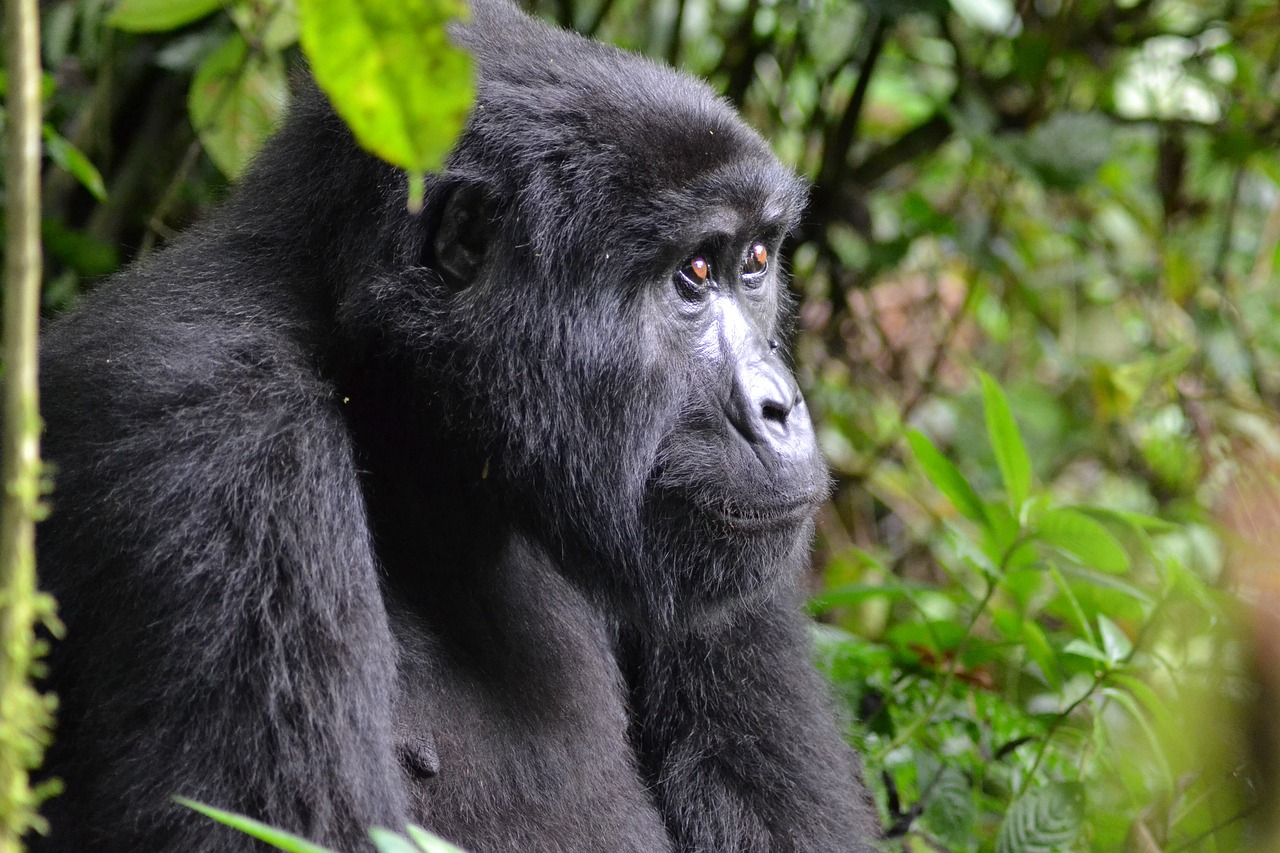 6 days · Uganda6-Day Uganda Primates & Wildlife SafariFrom ,800 pp · View itinerary →
 7 days · Uganda7 Days Rwenzori Mountains TrekkingFrom ,200 pp · View itinerary →
 4 days · Uganda4 Days Uganda Safari Queen ElizabethFrom
 Travel TipsUganda Safari from the USA: Flights, Visa & 8-Day PlanRead article →
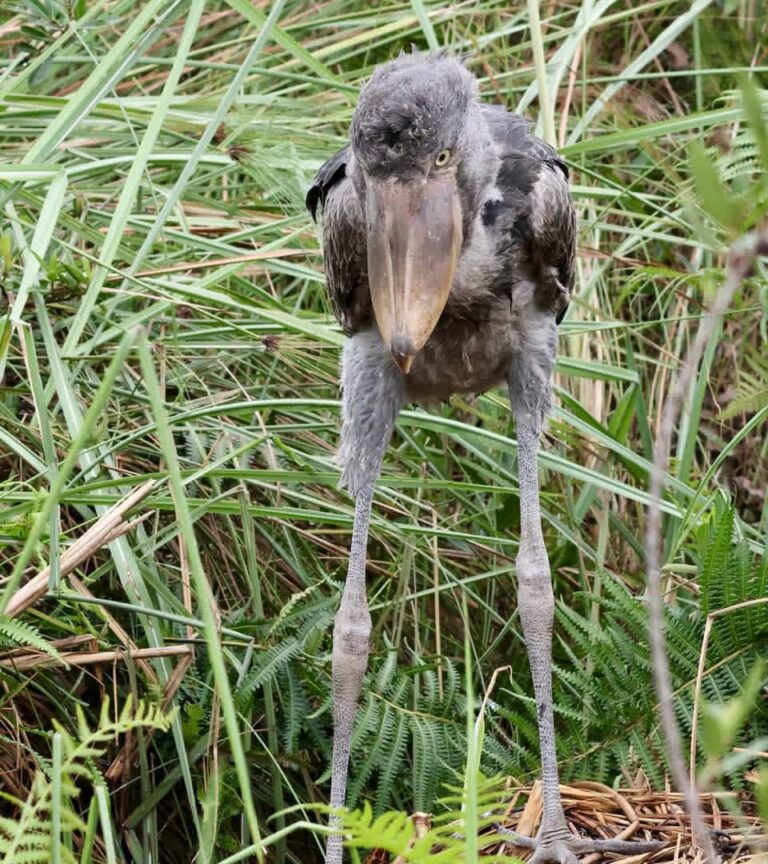 Travel TipsMabamba Swamp Shoebill Trip from Entebbe: EU GuideRead article →
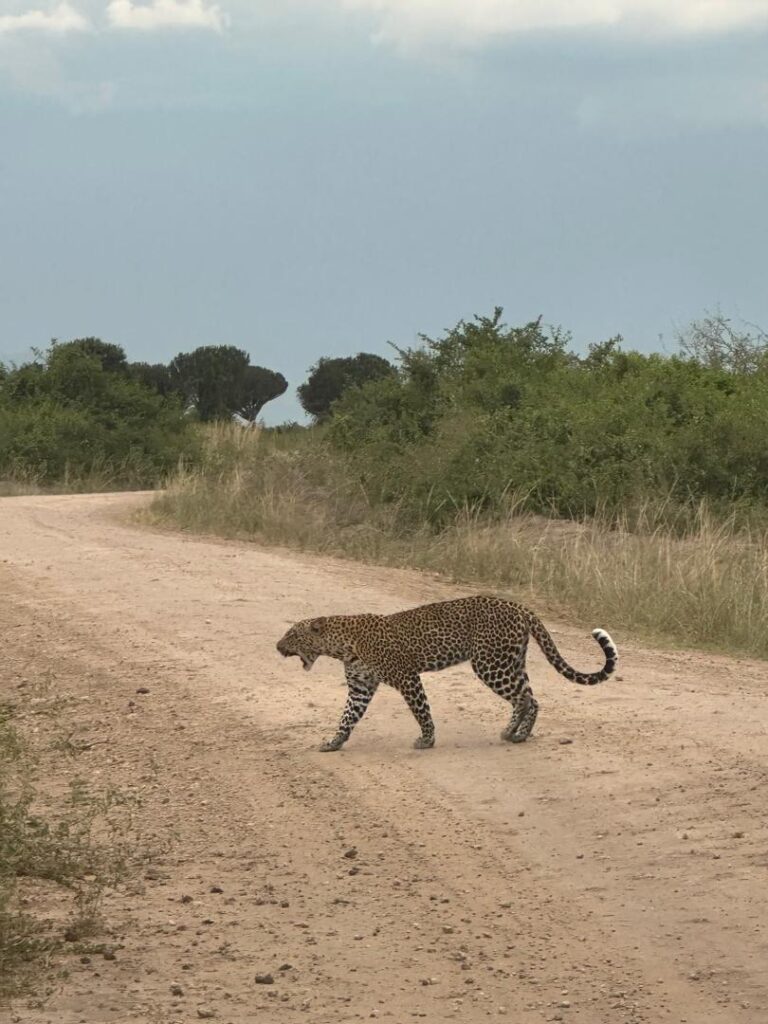 Safari PlanningSpotting Leopards in Uganda: A Big Cat Safari Guide for UK & European TravellersRead article →
Let our expert team craft your perfect safari adventure. Custom itineraries, competitive prices, and unforgettable experiences.
Start Planning Your Safari