 Uganda Safari
If you only have room for one savannah park on a Uganda itinerary, make it Queen Elizabeth National Park. It sits in the western arm of the Great Rift Valley, stretches from the Rwenzori foothills down to the Ishasha plains, and packs more habitat variety into 1,978 square kilometres than almost anywhere else in East Africa. For European travellers flying into Entebbe, it is also the park that pairs most naturally with gorilla trekking in Bwindi — a four-hour drive apart.
Uganda Wildlife Authority fees for foreign non-residents in 2026:
Fees are quoted in US dollars and payable by card at the gate, but almost every visitor pays them inside a package. Park fees are one of the smaller line items — the drive, the guide and the lodge cost far more.
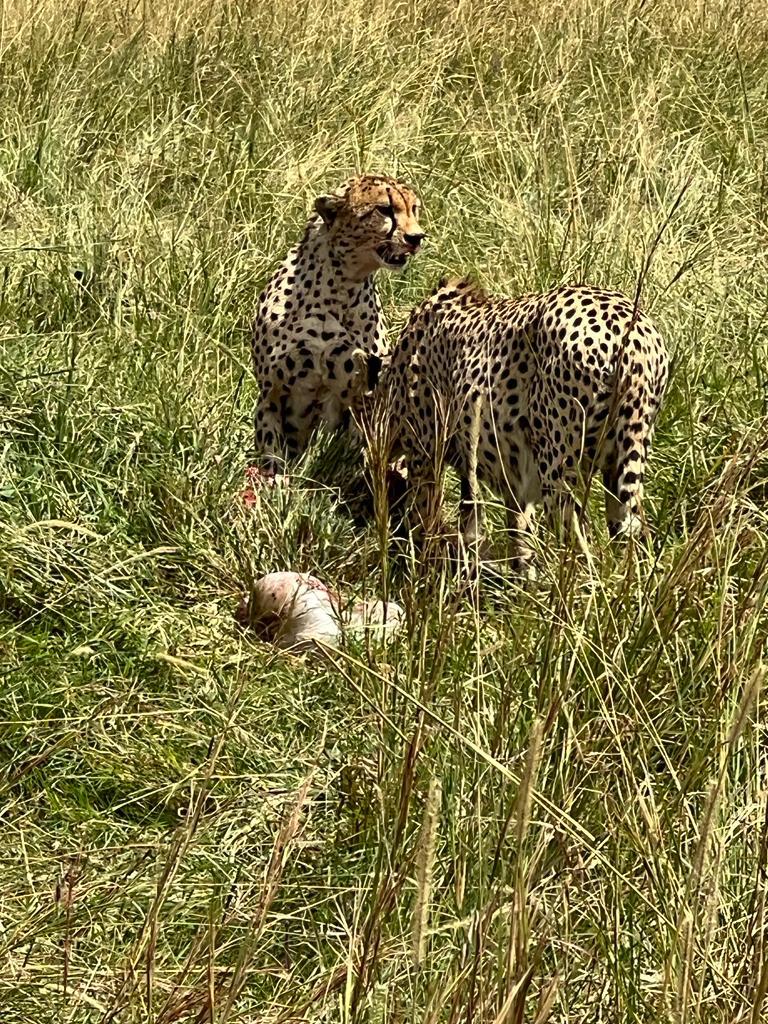
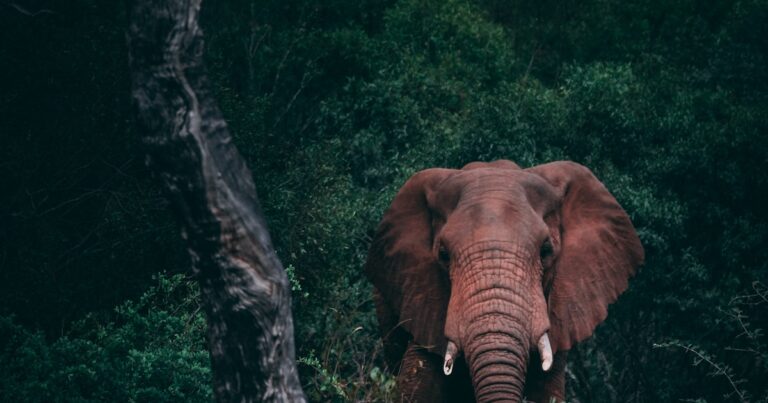
Queen Elizabeth holds around 95 mammal species and over 600 bird species, the highest bird count of any Ugandan park. Four of the Big Five live here — elephant, lion, leopard and buffalo — with rhino the only absentee, and those you see at Ziwa Rhino Sanctuary en route north.
Three experiences carry the park:
The Kazinga Channel. A 32km natural channel linking Lake George and Lake Edward, and home to the densest hippo population on earth. The afternoon launch trip puts you at eye level with hippo pods, buffalo herds coming down to drink, elephants wading in the shallows and a wall of waterbirds along the banks. Two hours, $30, and comfortably the best value activity in Uganda.
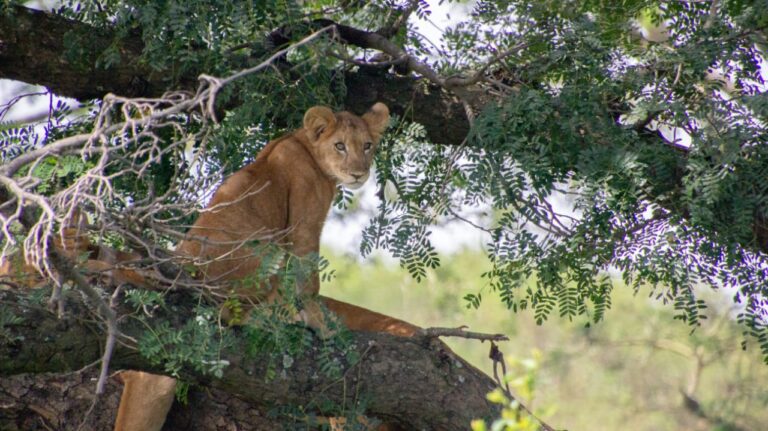
The tree-climbing lions of Ishasha. In the park’s southern sector, lions drape themselves across the branches of fig trees through the heat of the day. Only two populations on the continent do this reliably, and Ishasha is one. Sightings are not guaranteed — plan a full morning, and treat it as a bonus rather than a certainty.
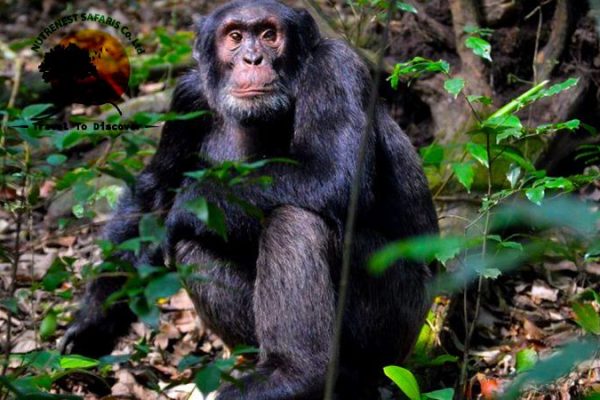
Kyambura Gorge. A 100-metre-deep forested chasm cut into the savannah, holding a small habituated chimpanzee community. The trek is short but steep, and the setting — rainforest sunk below open grassland — is unlike anywhere else you will walk in Uganda.
The dry seasons, June to September and December to February, give the easiest game viewing: grass is short, tracks are firm and animals concentrate near water. June to September also lines up with the UK summer holidays, so lodges book out early — reserve six months ahead if you are travelling in August.
March to May and October to November bring rain, usually as heavy afternoon showers rather than all-day drizzle. Roads get greasy in the Ishasha sector, but the park is greener, the birding is far better with migrants present, and lodge rates drop by 20–30%. For photographers and anyone travelling on a budget, the shoulder months are genuinely underrated.
Flights from London Heathrow to Entebbe run £550–£850 return, with Turkish Airlines, Qatar Airways, Emirates and Brussels Airlines all connecting through their hubs in 12–16 hours. KLM connects from Amsterdam and Brussels Airlines flies direct from Brussels, which suits travellers elsewhere in Europe.
On the ground, a three-day Queen Elizabeth safari costs roughly £600–£750 per person on a mid-range basis, including a 4×4 with a guide, park fees, the Kazinga cruise and full-board lodging. Budget camps bring that closer to £420. Luxury lodges on the crater rim push it past £1,400.
Most European clients combine the park with Bwindi. A typical 7-day Uganda itinerary — gorilla trekking, Queen Elizabeth, Kazinga and Ishasha — lands around £2,400–£2,900 per person excluding international flights, with the $800 gorilla permit the single biggest cost inside that figure.
Uganda’s e-visa costs $50 and is applied for online before travel; a yellow fever certificate is required at entry. The drive from Entebbe takes 7–8 hours, or you can fly to Mweya or Kasese airstrip in about an hour if you would rather trade the road for time in the park. Bring layers — mornings on the crater rim are cool even on the equator — plus binoculars, which matter more here than in any other Ugandan park.
Ready to plan your safari? Contact Nature Nest Safaris at book@naturenestsafaris.com or call +256 777 131 912.
Ready to plan your East African adventure? Browse our curated safari experiences:
Trips that match this guide. Every itinerary can be tailored to your dates and budget, and quotes are free.
Tell us when and how many of you are travelling. A real person replies by email or WhatsApp within 24 hours with a line-by-line quote. No deposit until you are happy with the plan.
Let our expert team craft your perfect safari adventure. Custom itineraries, competitive prices, and unforgettable experiences.
Start Planning Your Safari