 Tourism
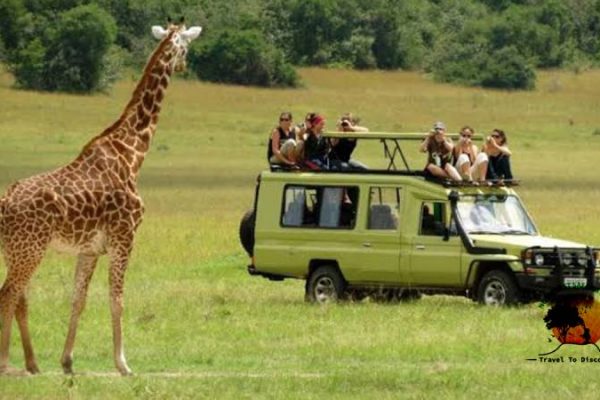
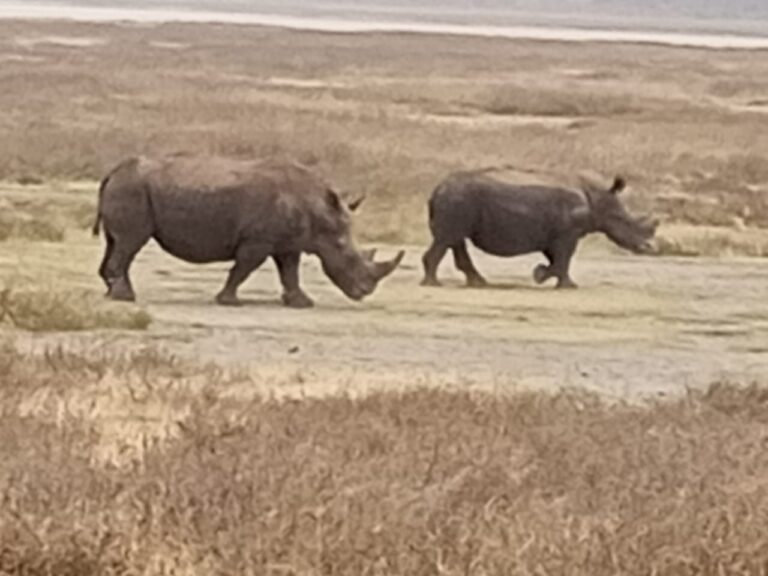
The Ngorongoro Crater is unlike anywhere else on the continent. A collapsed volcanic caldera 19 kilometres across, with 600-metre walls encircling a natural amphitheatre where roughly 25,000 large animals live permanently. You descend into the crater at dawn and spend the day surrounded by lion, elephant, buffalo, zebra, wildebeest, flamingo, and — if you’re fortunate — the critically endangered black rhino.
For European travellers, it’s also one of the most accessible safari destinations: a 3-hour drive from Arusha, easily combined with the Serengeti, and manageable as a day trip or overnight stay.
Tanzania’s conservation fees were restructured in 2024 and the current rates for Ngorongoro Conservation Area are:
Conservation area entry: $70.80 per adult per 24 hours (children 5–15: $23.60). Vehicle crater descent fee: $295 per vehicle. Concession fee (if staying inside the crater rim): varies by lodge.
These fees are included when you book through an operator — you won’t need to handle payments at the gate yourself. A typical Ngorongoro crater day trip from Arusha costs £350–£600 per person including all fees, vehicle, guide, and packed lunch.
Get a Ngorongoro Safari Quote
Day trip or full Northern Tanzania circuit — we’ll price it up for free.
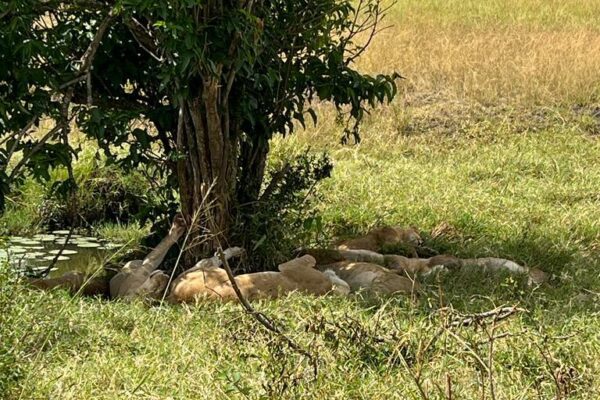
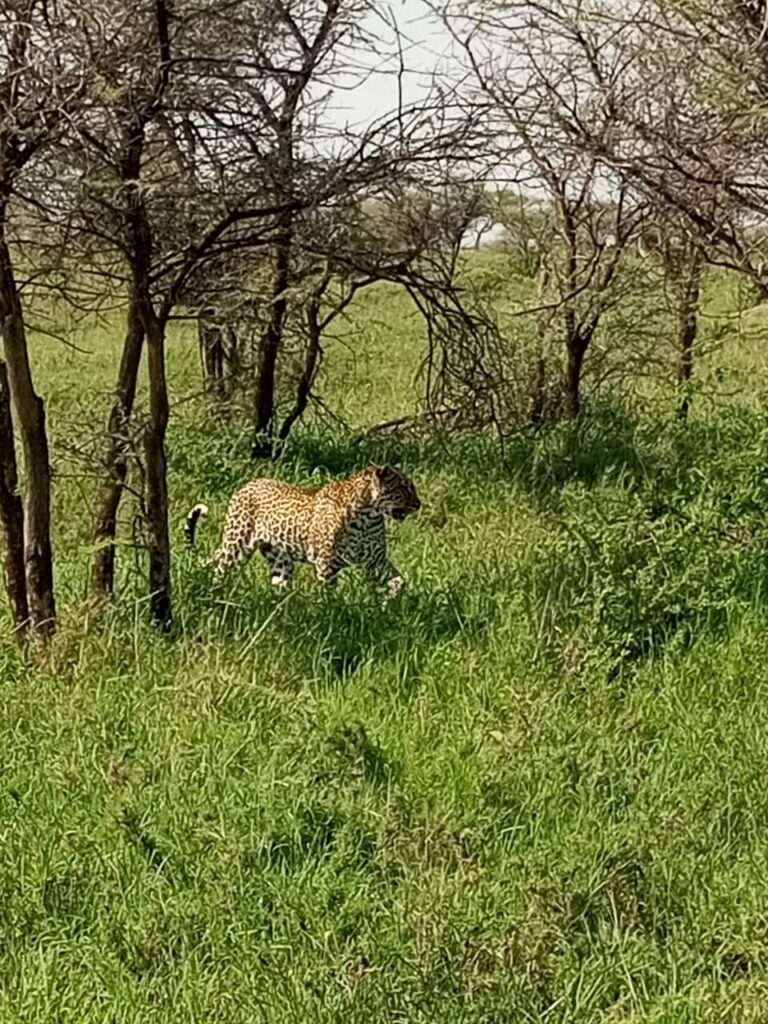
The crater floor is one of the few places in East Africa where you can realistically see the Big Five in a single day. Lion prides patrol the open grassland, elephant herds browse the Lerai Forest, cape buffalo gather near the soda lake, and leopards lurk in the fever tree woodlands. The 30-odd black rhinos are the real prize — your guide will know the areas they frequent.
The crater also supports large populations of spotted hyena, jackal, eland, Grant’s and Thomson’s gazelle, and during the wet season, hundreds of thousands of flamingos colour Lake Magadi pink.
The crater is a year-round destination — animals don’t migrate out because the walls contain a self-sustaining ecosystem. That said:
June–October (dry season): Clearest visibility, easiest wildlife spotting in shorter grass, cooler temperatures. This is peak season with higher prices and more vehicles.
January–March: Green season with newborn animals, dramatic skies, fewer tourists. The crater rim can be misty but the floor is usually clear by mid-morning.
November–December: Short rains bring the wildebeest migration nearby. Good value, moderate crowds.
Most travellers pair Ngorongoro with the Serengeti (3–4 hour drive or a scenic flight) and sometimes add Tarangire or Lake Manyara. A classic 5-day Northern Tanzania circuit covers all three major parks and costs from £2,500–£4,500 per person depending on accommodation level.
Nature Nest Safaris specialises in custom itineraries that combine these parks efficiently — minimising driving time and maximising wildlife viewing.
The conservation area entry fee is $70.80 per adult per day, plus a $295 vehicle descent fee to drive into the crater floor. A day trip from Arusha costs £350-£600 per person all-inclusive, covering all fees, vehicle, guide, and packed lunch.
Yes, Ngorongoro Crater is one of the few places where you can realistically see all Big Five in a single day: lion, elephant, buffalo, leopard, and the critically endangered black rhino (about 30 in the crater).
One full day in the crater is sufficient for most visitors. Arrive at dawn for the best wildlife activity and light. If staying on the crater rim, two nights allows a relaxed pace and time to explore the crater rim viewpoints.
The crater is excellent year-round since animals don’t migrate out. June-October (dry season) offers clearest visibility. January-March (green season) has fewer tourists and newborn animals. November-December brings the nearby wildebeest migration.
Yes, they’re 3-4 hours apart by road. A classic 5-day northern Tanzania circuit covers both plus Tarangire from £2,500-£4,500 per person depending on accommodation level.
Day trip from Arusha or a full week exploring Northern Tanzania — we build itineraries around your dates and budget.
WhatsApp Us Now
Email: book@naturenestsafaris.com
Call/WhatsApp: +256 777 131 912 | No booking fees
Ready to plan your East African adventure? Browse our curated safari experiences:
Trips that match this guide. Every itinerary can be tailored to your dates and budget, and quotes are free.
 Safari PlanningBest Time to Visit East Africa for a Safari: A Month-by-Month Guide for UK & European TravellersRead article →
 TourismKenya Coastal Safari: Malindi, Watamu & Lamu Island Guide for European TravellersRead article →
 TourismBest Time to Visit Bwindi Impenetrable Forest for Gorilla Trekking (2026 Guide)Read article →
Let our expert team craft your perfect safari adventure. Custom itineraries, competitive prices, and unforgettable experiences.
Start Planning Your Safari