 Safari Planning
Booking a safari is one of the few holidays where you wire several thousand pounds to a company on another continent months before you meet anyone from it. That makes British and European travellers understandably nervous — and it is the single most common question we get from first-timers in London, Manchester, Amsterdam and Dublin. Here is how the process actually works in 2026, what is normal, and what should make you walk away.
Most reputable East African operators ask for 20–30% of the trip cost as a deposit, with the balance due 45 to 60 days before arrival. That is the industry standard across Uganda, Kenya, Tanzania and Rwanda, and it exists for a practical reason: lodges and camps want their own deposits held before they will block rooms in high season.
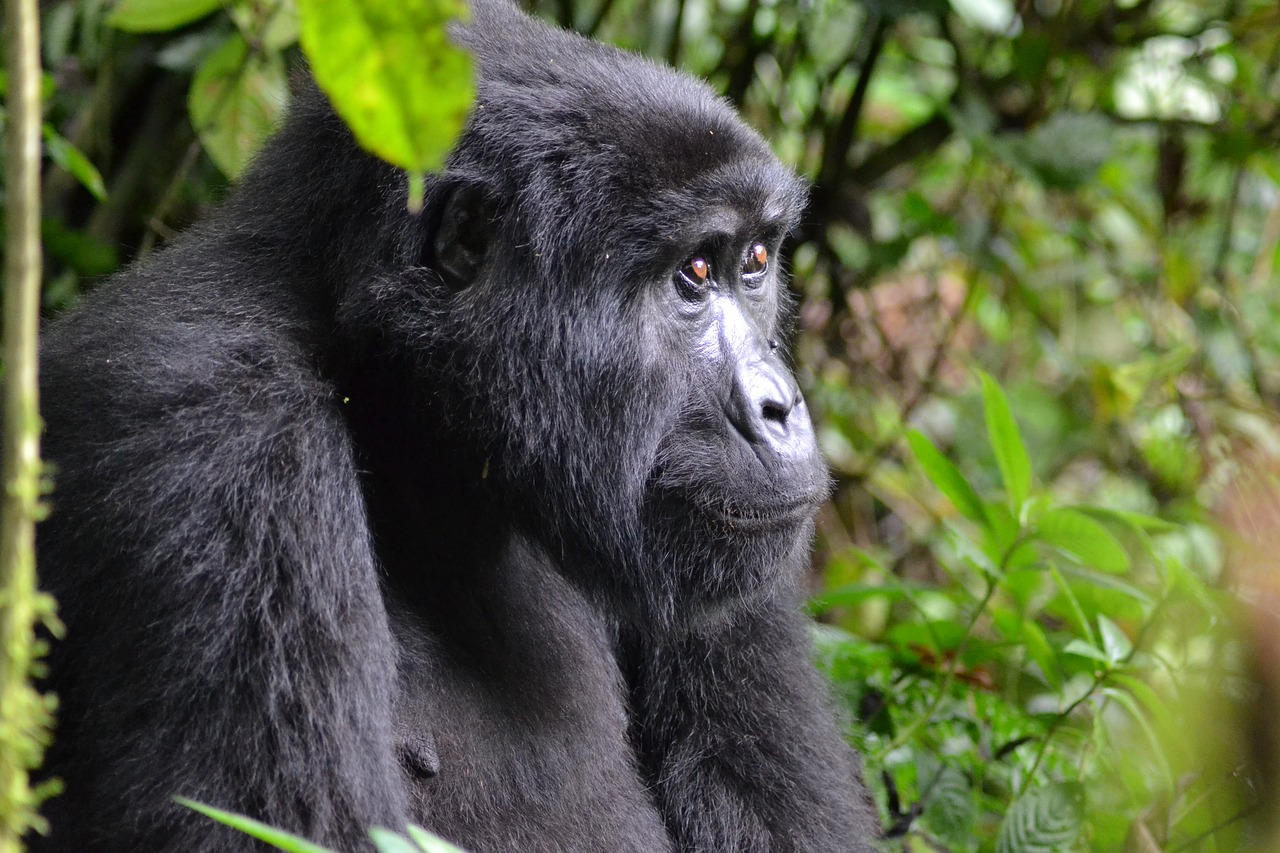
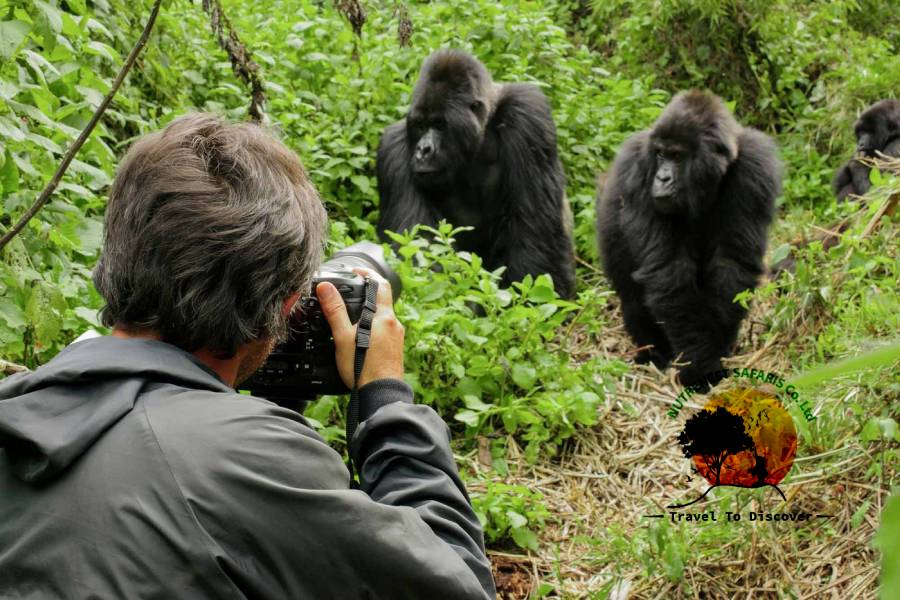
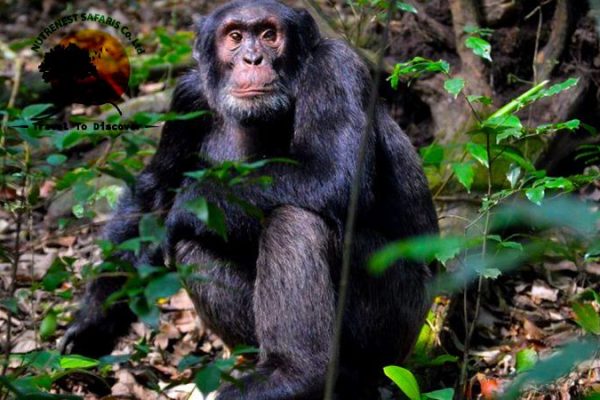
Gorilla and chimpanzee permits are the exception. Uganda Wildlife Authority and the Rwanda Development Board require permits to be paid in full at the time of booking, and those permits are non-refundable and non-transferable once issued. So if you are trekking gorillas, expect your first payment to include the full permit cost — currently $800 in Uganda and $1,500 in Rwanda — on top of the trip deposit. An operator explaining this clearly is a good sign, not a red flag.
What is not normal: a demand for 100% of the trip cost up front twelve months in advance, or a deposit that suddenly increases after you have committed.
For UK travellers, Section 75 of the Consumer Credit Act is your strongest protection. Pay any part of the trip on a UK credit card for a purchase between £100 and £30,000 and your card issuer becomes jointly liable with the supplier. That protection applies even if you only put the deposit on the card. Debit card payments fall under the weaker chargeback scheme, which is discretionary rather than a legal right.
Bank transfer is common and often unavoidable for the balance, because card processing fees in East Africa run 3–5% and many operators pass those on. That is legitimate. The safeguard is to put the deposit on a credit card even if you settle the balance by transfer — you retain a paper trail and a claim route.
Be cautious if you are asked to pay by cryptocurrency, Western Union, MoneyGram, or into a personal account with a name that does not match the company. Those requests are effectively irreversible and are the hallmark of a scam.
Every legitimate operator in the region is licensed and publicly listed. You can verify this yourself before you send a penny:
Ask for the company’s registration number and licence number in writing, then check it against the association’s own website rather than a link the company sends you. A real operator will hand this over without hesitation.
Fake safari websites are usually well designed — that is the point. What they cannot fake easily is depth and consistency. The things to look for:
Prices far below everyone else. A 7-day Uganda gorilla safari cannot cost £900 per person when the permit alone is $800. Suspiciously cheap quotes are the most reliable warning sign there is.
No physical address or landline. A WhatsApp number and a Gmail address, with no street address in Kampala, Nairobi, Arusha or Kigali, is a problem.
Stock photography only. Established operators have thousands of photos of their own vehicles, guides and actual clients. If every image on the site is a licensed stock shot, ask why.
Pressure to pay today. “Only two permits left, transfer within the hour” is a sales tactic, and a dishonest one. Permit availability is real and does tighten in July and August, but a genuine operator will hold a provisional booking for 48–72 hours while you check them out.
Reviews that all arrived in one month. Check TripAdvisor and Google review dates, not just the star rating. A real ten-year-old company has reviews spread across ten years.
A quote that will not itemise. Insist on a written breakdown showing park entry fees, permits, accommodation by name, vehicle type, guide, and what is excluded. Vagueness here almost always means costs will appear later.
European travellers often assume a UK-based booking agent is the safe option. In practice, most UK safari agents subcontract the ground handling to exactly the operators you would otherwise book direct — and add 30–40% for the introduction. Booking direct with a licensed East African company removes a layer of cost, and gives you a direct relationship with the people who will actually meet you at Entebbe or Kilimanjaro.
The trade-off is that you carry out the verification yourself. That is what the licence check above is for, and it takes less time than comparing flight prices.
Whatever you book, take out travel insurance the day you pay your deposit — not the week before you fly. Cancellation cover only works if the policy predates the reason you cancel. Make sure it includes medical evacuation cover of at least £1 million, and check the wording on light-aircraft transfers and altitude if your trip includes bush flights or Kilimanjaro.
Nature Nest Safaris is a licensed Ugandan operator with offices in Kampala, our own vehicles and guides, and clients arriving from London, Amsterdam, Frankfurt and Dublin every month. We are happy to provide our registration details, itemised quotations, and references from past European guests before you pay anything.
Ready to plan your safari? Contact Nature Nest Safaris at book@naturenestsafaris.com or call +256 777 131 912.
Ready to plan your East African adventure? Browse our curated safari experiences:
Trips that match this guide. Every itinerary can be tailored to your dates and budget, and quotes are free.
Let our expert team craft your perfect safari adventure. Custom itineraries, competitive prices, and unforgettable experiences.
Start Planning Your Safari