 Safari Planning
Every safari brochure sold in Britain pushes the same months: July, August, September. Dry grass, thin bush, guaranteed sightings. It is good advice — and it is also the reason those months cost the most and put six vehicles around every lion.
There is a quieter alternative that experienced repeat travellers book deliberately. East Africa’s green season runs roughly from November through to May, broken by a short drier spell in January and February. Rain falls, the savannah turns emerald, and almost nobody from Europe is there. Here is what that actually means for your trip and your budget.
The first myth to kill: it does not rain all day. East African rains are usually short, heavy afternoon storms that clear within an hour or two, leaving washed light and dramatic skies. Mornings — when you are on a game drive anyway — are frequently clear. British travellers braced for a fortnight of drizzle are routinely surprised.
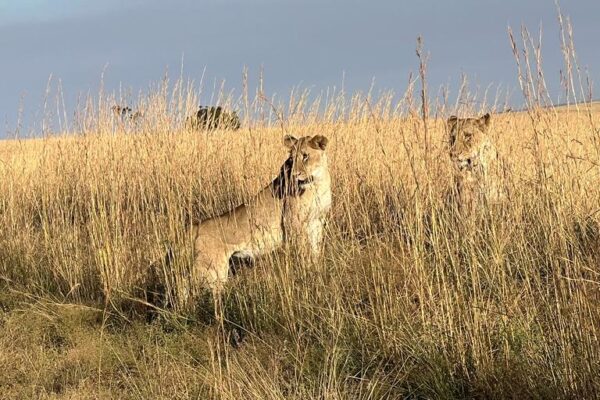
The landscape changes completely. Instead of dust and bleached grass you get thick green cover, wildflowers, and skies stacked with cloud. Photographers care about this more than anyone: the harsh white midday light of August is replaced by soft, contrasted conditions that make images look like the ones in magazines rather than the ones your neighbour brought back.
Thicker vegetation does make spotting slightly harder in some parks, and that is an honest trade-off. But several things swing the other way.
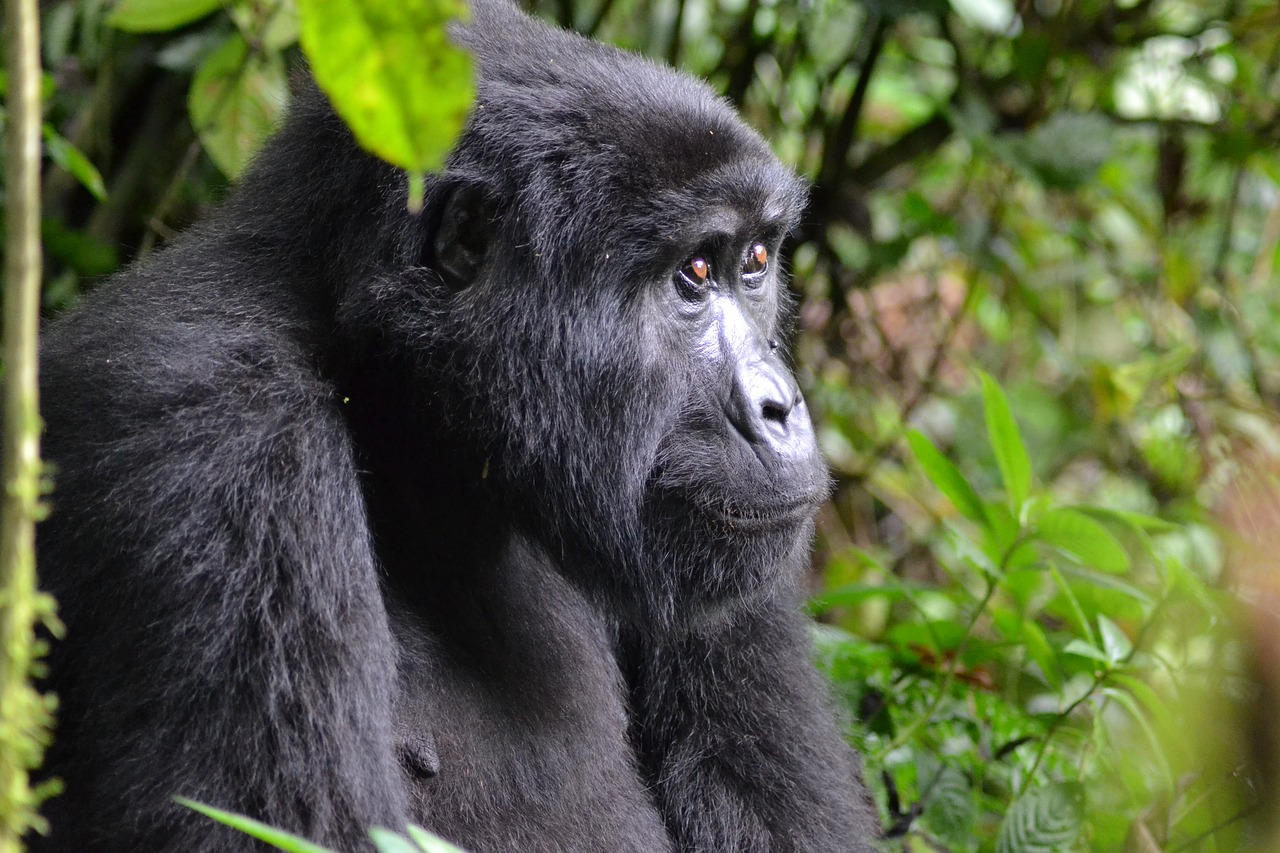
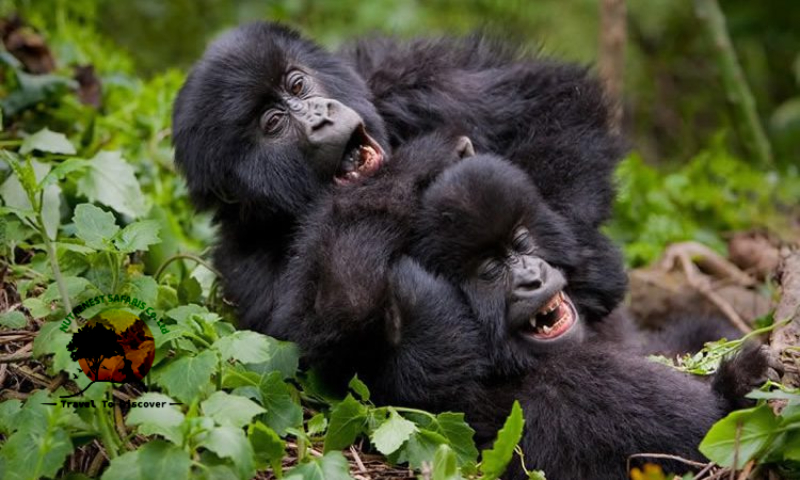
Gorilla trekking is the one to think carefully about. Bwindi and Volcanoes are rainforests; they rain in every month. March to May brings muddier, steeper trails, but permits are easier to secure and the forest is at its most beautiful. Bring proper boots and gaiters and it is entirely manageable.
This is where the case becomes hard to argue with. Green-season lodge rates in Kenya and Tanzania typically fall 30–45% below peak. A mid-range tented camp charging £450 per person per night in August often sits at £260 in April. Some top-end camps close entirely; the ones that stay open discount hard.
Flights follow the same curve. London to Nairobi or Entebbe in August regularly clears £850–£950 return. The same routes in November, or in late April and May, commonly sit at £480–£620 with Kenya Airways, Ethiopian, Qatar or Turkish. Avoid the Christmas and New Year fortnight, which is peak pricing despite being green season.
Put together, a European traveller can often do a genuinely comfortable ten-day East African safari in the green season for what a seven-day peak-season equivalent would cost — or keep the same budget and move up a tier of lodge.
Some remote airstrips and unsurfaced park roads become difficult in the heaviest weeks, particularly April and early May in northern Tanzania and parts of Uganda. A few camps in the Serengeti’s western corridor and Uganda’s Kidepo shut for the wettest stretch. None of this is a reason to avoid the season — it is a reason to have a local operator build the route rather than booking parks off a map.
If you want the best balance, aim for November (short rains, immediately after peak pricing drops), late January to February (drier interlude, calving season) or early December. March and April deliver the deepest discounts and the emptiest parks for travellers who do not mind mud.
For British and European travellers working around half-terms and annual leave, February half-term in particular lines up almost perfectly with the calving season — one of the rare cases where school holidays and wildlife timing agree.
Ready to plan your safari? Contact Nature Nest Safaris at book@naturenestsafaris.com or call +256 777 131 912
Ready to plan your East African adventure? Browse our curated safari experiences:
Trips that match this guide. Every itinerary can be tailored to your dates and budget, and quotes are free.
Let our expert team craft your perfect safari adventure. Custom itineraries, competitive prices, and unforgettable experiences.
Start Planning Your Safari