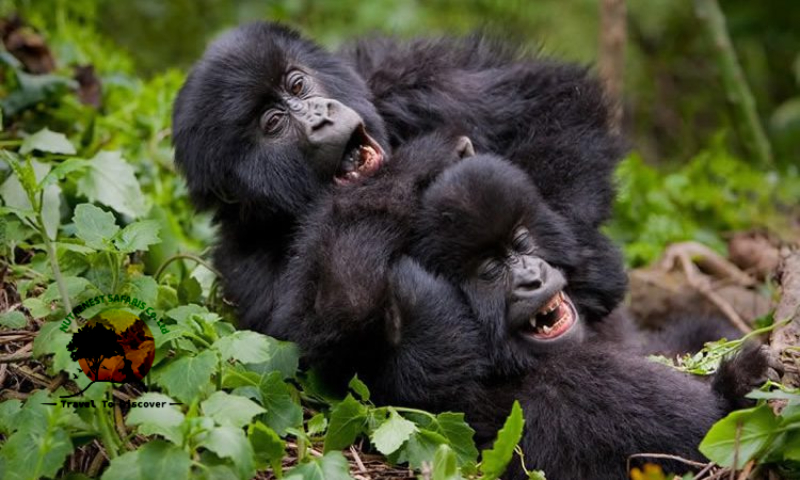
Mountain Gorilla Trekking: The Ultimate Bucket-List Experience
Tracking endangered mountain gorillas through the misty rainforests of Central Africa is consistently rated among the world’s top wildlife experiences. With only around 1,063 mountain gorillas left in the wild, split between Uganda’s Bwindi Impenetrable Forest and the Virunga Mountains straddling Rwanda, Uganda, and the Democratic Republic of Congo, this is one of the most exclusive wildlife encounters on Earth.
For European visitors planning gorilla trekking in 2026, the choice comes down to two main countries: Uganda and Rwanda. Both offer extraordinary encounters with habituated gorilla families, but they differ significantly in cost, logistics, trek difficulty, and what else you can combine with the experience. This guide breaks down everything you need to decide.
Gorilla Trekking Permit Costs 2026
The single biggest cost difference between Uganda and Rwanda is the trekking permit:
Uganda: $800 per person per trek (unchanged since 2024). Available for Bwindi Impenetrable National Park and Mgahinga Gorilla National Park. Children under 15 are not permitted on gorilla treks.
Rwanda: $1,500 per person per trek. Available for Volcanoes National Park (Parc National des Volcans). Rwanda does offer a “Kwita Izina” naming ceremony season discount and occasional shoulder-season promotions, but the standard rate remains $1,500.
That’s a $700 saving per person by choosing Uganda — for a couple, that’s $1,400 saved, enough to fund additional days of safari elsewhere in East Africa.
The Trek Experience: Uganda vs Rwanda
Uganda — Bwindi Impenetrable Forest
Bwindi lives up to its name. The forest is dense, steep, and physically demanding. Treks can last from 2 to 8 hours depending on where the gorillas are that morning — you’re assigned a gorilla family at the morning briefing, and trackers radio back their location. The terrain involves steep hillsides, muddy trails, and thick undergrowth that sometimes requires machete-clearing.
The reward? An incredibly raw, immersive jungle experience. Bwindi is home to around 20 habituated gorilla families spread across four sectors (Buhoma, Ruhija, Rushaga, and Nkuringo). When you find the gorillas, you spend one hour with them at a distance of 7 metres. The intimacy of watching a silverback groom his family while surrounded by ancient forest is indescribable.
Fitness level needed: Moderate to high. Porters are available (and strongly recommended — they support local employment) for around $15–20.
Rwanda — Volcanoes National Park
Rwanda’s gorilla trekking is generally considered easier than Bwindi. The Virunga volcanoes terrain is steep but more open — bamboo forest rather than impenetrable jungle. Treks typically last 1 to 4 hours. The park is compact and well-managed, with gorilla families often found at relatively accessible altitudes.
Rwanda has invested heavily in gorilla tourism infrastructure. The park headquarters is sleek and modern, briefings are well-organised, and the overall experience feels more polished. Volcanoes National Park is also the former home of Dian Fossey’s research station, adding a powerful conservation narrative to the experience.
Fitness level needed: Low to moderate. The shorter average trek time makes Rwanda more suitable for older travellers or those with limited mobility.
Getting There From Europe
Uganda: Fly to Entebbe International Airport (EBB). Direct flights are available from Amsterdam (KLM), Brussels (Brussels Airlines), and London (via Nairobi or Addis Ababa). From Entebbe, Bwindi is either a scenic 8–10 hour drive or a 1-hour charter flight to Kihihi/Kisoro airstrip.
Rwanda: Fly to Kigali International Airport (KGL). Direct connections from Amsterdam (KLM), Brussels (Brussels Airlines), and London (RwandAir via Gatwick). Volcanoes National Park is just a 2-hour drive from Kigali — one of the shortest transfers to gorilla trekking anywhere.
For Dutch and Belgian travellers in particular, the direct KLM and Brussels Airlines connections make both destinations exceptionally convenient. German travellers typically connect via Addis Ababa (Ethiopian Airlines) or Nairobi (Kenya Airways).
Combining Gorilla Trekking With Safari
Uganda Combinations
Uganda is the better value for combining gorilla trekking with a broader wildlife safari. After Bwindi, continue to Queen Elizabeth National Park (tree-climbing lions, boat safaris on the Kazinga Channel), then Kibale Forest for chimpanzee tracking, and Murchison Falls for the dramatic waterfall and Big Five game drives. A complete 10–14 day Uganda itinerary covers primates + savannah wildlife for a fraction of other destinations’ costs.
Rwanda Combinations
Rwanda is compact and efficient but has fewer safari options. After gorilla trekking, visit Akagera National Park (Big Five, recently reintroduced lions and rhinos) and Nyungwe Forest for chimpanzees and canopy walks. A Rwanda-only trip typically runs 7–10 days. Alternatively, combine Rwanda gorillas with a Kenya or Tanzania safari — fly Kigali to Nairobi or the Serengeti for the ultimate East African experience.
Best Time for Gorilla Trekking
Gorilla trekking is available year-round, but conditions vary:
Best months: June–September and December–February (dry seasons). Trails are less muddy, trekking is easier, and the gorillas tend to stay at lower, more accessible altitudes.
Shoulder months: March, May, October, November. Some rain but smaller crowds and easier permit availability. Photography can be spectacular with rain-washed light filtering through the canopy.
Wet season: April and November see the heaviest rainfall. Trekking is still possible but significantly more challenging.
Our Verdict: Which Should You Choose?
Choose Uganda if: You want the best value ($800 vs $1,500 permits), prefer a more adventurous and raw jungle experience, want to combine gorillas with diverse safari options, or are travelling as a family with teenagers.
Choose Rwanda if: You prefer a shorter, easier trek, have limited time (Kigali to gorillas in 2 hours), value polished tourism infrastructure, or want the Dian Fossey conservation connection.
Choose both if: You have 12+ days and want the complete primate experience — trek gorillas in both countries, add chimpanzees in Uganda’s Kibale Forest, and finish with a Kenya or Tanzania savannah safari.
Book Your Gorilla Trekking Adventure
NatureNest Safaris arranges gorilla trekking permits and complete itineraries in both Uganda and Rwanda. We secure permits months in advance (essential for peak season), pair you with expert local guides, and design seamless multi-country itineraries. Contact us for availability and a personalised quote.